 St. Petersburg Siding
 Seminole's Climate Puts Real Demands on a Roof
Seminole sits close enough to the Gulf that salt air, humidity, and storm exposure are part of daily life for every roof in the area. A roof here isn't just shedding rain — it's fighting hurricane-force wind gusts during storm season, absorbing intense UV radiation nearly every day of the year, and dealing with wind-driven rain that gets pushed sideways under poorly sealed edges and flashing. Add in Pinellas County's humidity, which keeps roof decks and attics warmer and damper than in drier climates, and you've got a combination that ages roofing materials faster than most manufacturers' national warranties assume.
That's the backdrop for every new roof installation we do in Seminole. The right system, installed correctly, holds up to this environment for decades. The wrong system — or the right system installed poorly — shows problems within a few storm seasons: lifted shingles, granule loss, soft decking, and leaks that show up nowhere near where the water actually got in.
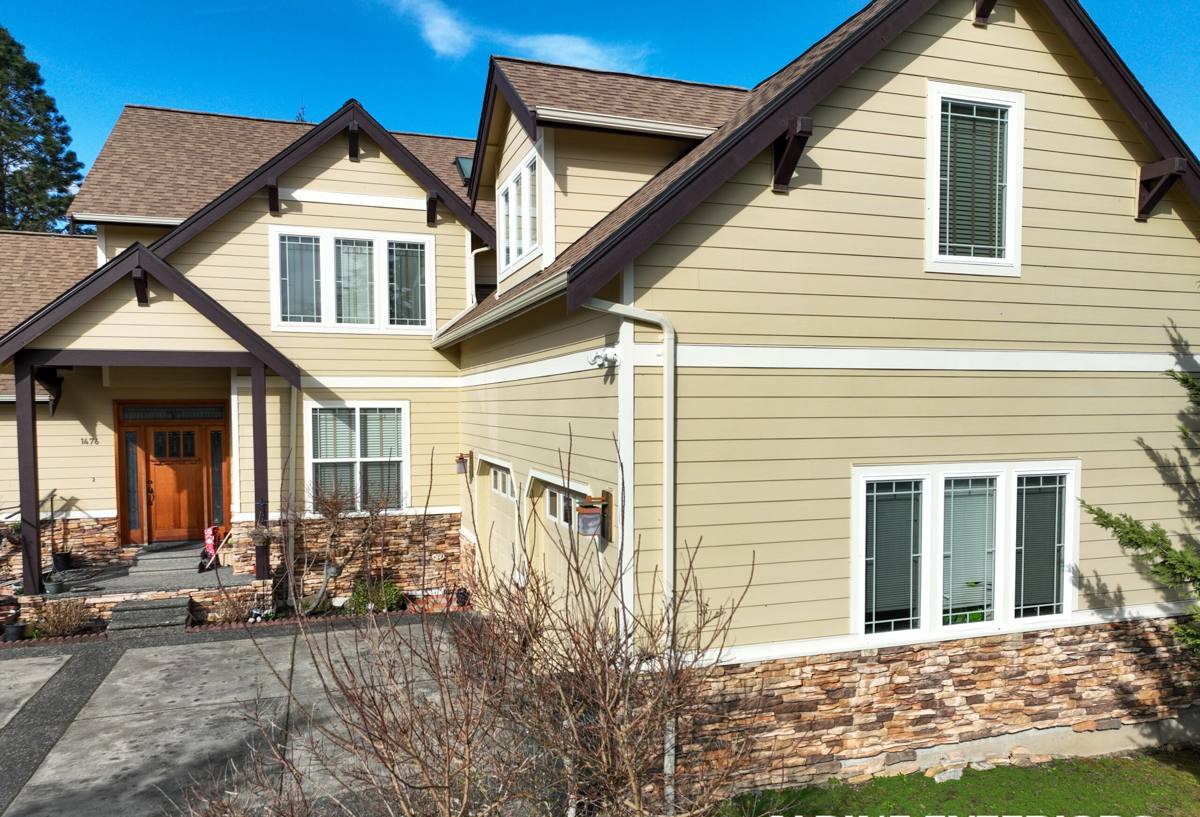
Signs a Seminole Home Actually Needs a New Roof
Not every roofing problem means a full replacement — some issues are legitimately repairable. But there's a point where patching becomes a losing bet, throwing money at a roof that's structurally past its useful life. Here's what tells us a Seminole homeowner is at that point:
- Shingles that are cupping, curling, or missing granules across large sections of the roof, not just one spot
- A roof that's 18-20+ years old (or older for lower-grade materials), even if it "looks fine" from the ground
- Soft or spongy spots when walking the roof deck, which usually means water has already gotten into the plywood
- Recurring leaks that keep showing up after repairs, especially around valleys, chimneys, or skylights
- Visible daylight through the roof deck from inside the attic
- Multiple layers of old shingles already on the roof, which limits repair options and adds weight
- Storm damage significant enough that an insurance adjuster is recommending replacement over repair
Roofing Systems We Install in Seminole
There's no single "best" roof for every house — it depends on the home's structure, the budget, and how long the owner plans to stay. We install a small number of systems well rather than everything under the sun, because a roof that's installed by a crew that knows it inside and out performs better than one installed by a crew learning as they go.
Architectural (Dimensional) Asphalt Shingles
The most common choice in Seminole and across Pinellas County, for good reason — modern architectural shingles rated for high wind speeds hold up well when installed with the correct nailing pattern, starter strips, and sealant activation. They're also the most budget-friendly option and come in enough colors and profiles to match almost any home style.
Standing Seam Metal Roofing
Metal roofing has become increasingly popular near the coast because it handles wind uplift and wind-driven rain exceptionally well when the panels and clips are rated and fastened correctly. It also holds up to UV exposure without the granule loss that eventually wears down asphalt. The tradeoff is upfront cost — metal runs meaningfully higher than shingles, though it typically lasts longer and can qualify for insurance discounts tied to wind mitigation.
Tile Roofing
Concrete and clay tile are common on Florida homes and hold up well to UV and salt air since the material itself doesn't degrade the way asphalt does. Tile installation is less forgiving of shortcuts — the underlayment and fastening system underneath the tile is doing most of the real waterproofing work, so we're honest with homeowners that tile roofs live or die on the quality of what's underneath, not just the tile itself.
| Roofing System | Typical Lifespan | Wind Performance | Relative Cost |
|---|---|---|---|
| Architectural asphalt shingles | 20-30 years | Good, when rated and installed correctly | $ |
| Standing seam metal | 40-50+ years | Excellent | $$$ |
| Concrete/clay tile | 40-50+ years | Good to excellent, depends on underlayment | $$-$$$ |
What a Correct New Roof Installation Actually Involves
Tear-Off and Deck Inspection
We don't install new roofing over old material. A full tear-off lets us see the actual roof deck — the plywood or OSB the whole system depends on — and replace any sections that are soft, delaminated, or water-damaged. Skipping this step is one of the most common shortcuts in the roofing trade, and it's the reason some "new" roofs fail early: the new shingles were never the problem, the rotten deck underneath was.
Underlayment and Flashing
In a climate where wind-driven rain gets pushed under roofing edges instead of just falling straight down, the underlayment and flashing details matter as much as the visible roofing material. We use underlayment systems appropriate to coastal wind exposure and pay close attention to flashing around chimneys, walls, valleys, and any roof penetration — these are the spots where the overwhelming majority of leaks actually start.
Ventilation
A roof deck that can't breathe traps heat and moisture, which shortens the life of the roofing material from underneath and can lead to attic mold. We check and correct attic ventilation as part of a new roof installation, not as an afterthought.
Our Installation Process, Step by Step
- Roof inspection and estimate. We assess the current roof, deck condition where visible, and discuss material options and budget honestly, including tradeoffs.
- Written scope and permitting. We pull the required permit and put the full scope of work in writing before anything starts, so there's no ambiguity about what's included.
- Tear-off and deck repair. Old roofing comes off, the deck gets inspected, and any damaged sections are replaced before anything new goes down.
- Underlayment, flashing, and ventilation. These get installed to code and to the manufacturer's specifications for wind-rated systems.
- Roofing material installation. Shingles, metal panels, or tile go on following the fastening pattern required for the wind rating being installed.
- Cleanup and final walkthrough. We clear debris and nails from the property and walk the finished roof with the homeowner.
- Final inspection. The job is signed off by the local building department, and paperwork is provided for insurance and warranty records.
Permits, Wind Mitigation, and Insurance in Pinellas County
New roof installations require a permit, and Pinellas County's building codes reflect its hurricane exposure — the wind rating and installation method matter for passing inspection, not just the material itself. We handle the permitting process as part of the job.
A new roof is also one of the biggest levers Seminole homeowners have on their windstorm insurance premiums. After installation, a wind mitigation inspection documents things like the roof's fastening method, the roof-to-wall connection, and the roof shape — details that can qualify the home for real discounts. We provide the documentation homeowners need to get that inspection done and give it to their insurer.
What a New Roof Costs — and What Actually Moves the Price
Roofing costs vary enough by house that broad numbers only tell part of the story, but here's what drives the price up or down on most Seminole projects:
| Cost Factor | Why It Matters |
|---|---|
| Roof size and pitch | Larger and steeper roofs take more material and more labor time |
| Material choice | Shingles, metal, and tile carry very different material and labor costs |
| Deck condition | Rotten or damaged decking found during tear-off adds material and labor |
| Roof complexity | Valleys, dormers, chimneys, and skylights all add flashing detail and time |
| Wind rating required | Higher-rated systems for coastal wind exposure typically cost more upfront |
As a very rough range, a straightforward asphalt shingle replacement on an average Seminole home tends to fall in the low-to-mid five figures, with metal and tile running higher. The only way to get an accurate number is a real inspection — anyone quoting a firm price without seeing the roof is guessing.
Why a Crew That Already Works Seminole Matters
Roofing crews that work outside their normal service area often don't know the local permitting office's specific requirements, don't have relationships with local suppliers to get materials quickly during storm season, and aren't around six months or two years later if something needs a second look. A crew that regularly works in Seminole and greater St. Petersburg knows what Pinellas County inspectors check for, understands what local wind exposure actually demands from flashing and fastening, and has a real, ongoing presence in the community — not a phone number that stops answering after the check clears.
If your roof is showing its age or you're planning ahead of the next storm season, we'll come take an honest look and walk you through what we find — no pressure, no scare tactics. Fill out the form below to schedule a free estimate.