 St. Petersburg Siding
 Roof Repair That Understands Shore Acres
Shore Acres sits close to Tampa Bay, which means the homes here take on a specific combination of stress that inland St. Petersburg neighborhoods don't deal with in the same way. Salt-laden air moves in off the water, humidity stays high most of the year, and when a storm rolls through, the wind and rain often come in sideways off the bay before the front even makes landfall. A roof repair that would hold up fine on a house twenty minutes inland can fail early here if it isn't done with that reality in mind.
This page is about one job: roof repair for homes in Shore Acres. Not a full tear-off, not a generic overview of roofing in general — what actually needs to happen when a Shore Acres roof develops a leak, loses shingles, or shows damage after a storm, and why the details of that repair matter more here than they would somewhere with a milder climate.
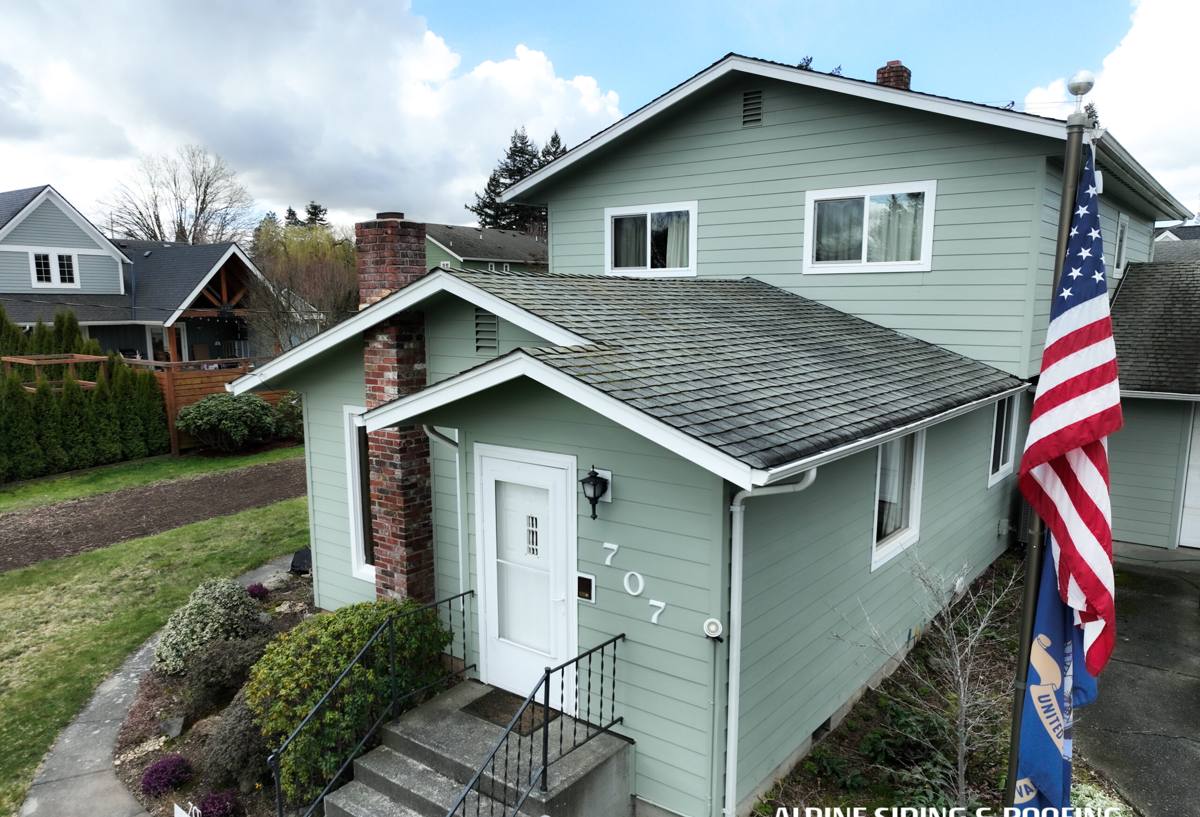
What the Coastal Climate Actually Does to a Roof
It helps to know what you're up against before you decide how a repair should be done.
Hurricane-Force Wind
Pinellas County sits directly in the path of tropical systems, and Shore Acres' proximity to open water means wind speeds during a storm can run higher here than a few miles inland. Wind doesn't just tear shingles off in a straight line — it gets under an edge, a ridge cap, or a loose piece of flashing and works it upward until the seal breaks. Once one shingle lifts, the ones around it become vulnerable too.
Intense, Year-Round UV
Florida sun is relentless on roofing material every month of the year, not just in summer. UV breaks down the asphalt in shingles, dries out sealant strips, and makes underlayment brittle over time. A roof that looks fine from the ground can have UV-damaged material that no longer seals the way it did when it was installed.
Wind-Driven Rain
Rain that comes straight down mostly runs off a roof the way it's supposed to. Rain that's being pushed sideways by wind finds every gap — under shingle tabs, around flashing, at roof-to-wall transitions — and pushes water uphill against gravity. This is why a lot of Shore Acres leaks show up during or right after a windy rainstorm rather than a calm one.
Salt Air
Being close to the bay means metal components on a roof — nails, flashing, vent boots, fasteners — are exposed to airborne salt that accelerates corrosion. Corroded fasteners lose their grip. Corroded flashing develops pinholes. Both lead to leaks that have nothing to do with the shingles themselves.
Common Roof Problems We See in Shore Acres
- Lifted or missing shingles along ridges, hips, and roof edges where wind uplift is strongest
- Cracked or brittle flashing around chimneys, skylights, and roof-to-wall transitions
- Failed pipe boots and vent seals — rubber components degrade from UV exposure faster than the surrounding roofing material
- Granule loss on aging asphalt shingles, which leaves the underlying material exposed to sun and water
- Corroded or backed-out nails from salt air exposure, which loosens shingles even without a storm
- Valley leaks where two roof planes meet and water volume concentrates during heavy rain
- Soft decking under damaged shingles where water has been getting through longer than the homeowner realized
What a Correct Roof Repair Actually Involves
A lot of roof "repairs" amount to slapping new shingles over a problem without addressing why it happened. That approach tends to fail again within a season or two, especially in a climate this demanding. A repair done right has a few non-negotiable steps.
Find the Real Source, Not Just the Symptom
Water travels. A stain on a ceiling can be several feet from where water is actually entering the roof. Chasing the visible symptom instead of tracing the actual entry point is the most common reason repairs don't hold.
Check the Decking, Not Just the Surface
If water has been getting in for a while, the plywood decking underneath may be soft or delaminating. Shingling over compromised decking looks fine for a while and fails later — sometimes catastrophically during the next storm.
Match Materials and Fastening to What's There
Shingles vary by manufacturer, color run, and profile. A patch that doesn't match seals differently, weathers differently, and can look visibly different for years. Fasteners also matter — in a salt-air environment, using corrosion-resistant nails matters more than it would inland.
Re-Seal Every Penetration Touched
Any repair that disturbs flashing, a vent boot, or a roof-to-wall junction needs those components properly re-sealed, not just the shingles reset around them. Skipping this is how a "fixed" leak comes back six months later in a slightly different spot.
Our Repair Process
1. Inspection and Documentation
We walk the roof (when it's safe to do so) or inspect from the eave and via photos when pitch or condition makes walking it unwise, and document what we find — condition of the shingles, flashing, vents, and any signs of decking damage. If the damage may be storm-related, this documentation is also useful for an insurance claim.
2. Honest Scope and Estimate
We tell you what we found, what needs to be repaired now, and what's worth keeping an eye on. If a repair isn't the right call — because the roof is old enough or damaged enough that patching it would just be throwing money at a short-term fix — we'll say so plainly instead of selling a repair that won't last.
3. The Repair Itself
We remove damaged material back to sound decking, address the decking if needed, replace or re-seal flashing and penetrations, and install matching shingles and fasteners rated for coastal exposure.
4. Cleanup and Walkthrough
Nails and debris are cleared from the yard and gutters, and we walk you through what was done and what to watch for going forward.
Repair vs. Replacement: How We Decide
Not every roof problem calls for a full replacement, and not every leak can be responsibly patched. These are the factors that actually drive that decision.
| Factor | Leans Toward Repair | Leans Toward Replacement |
|---|---|---|
| Roof age | Under roughly 12-15 years | Approaching or past manufacturer's expected lifespan |
| Extent of damage | Isolated to one section or penetration | Spread across multiple areas or slopes |
| Decking condition | Solid, dry decking under damaged shingles | Soft, delaminated, or water-stained decking in multiple spots |
| Granule loss | Localized, shingles otherwise flexible | Widespread, shingles brittle or curling |
| Storm history | First significant damage event | Repeated repairs after successive storms |
| Insurance situation | Damage doesn't meet claim threshold | Documented storm damage supports a covered replacement |
Materials Built for This Environment
For repairs, we use fasteners and flashing rated for coastal, high-humidity exposure rather than the cheapest available hardware — the cost difference is small, and standard-grade fasteners are exactly the kind of thing that corrodes early near the bay and causes the repair to fail ahead of schedule. When matching shingles, we prioritize a close match in both product line and color so the repair blends in rather than becoming a visible patch. On flashing and sealants, we favor products with a track record in Gulf Coast conditions over anything that trades durability for a lower up-front cost — in this climate, a sealant that dries out and cracks in three years costs more in the long run than one that holds up properly the first time.
Why It Matters to Hire a Crew That Already Works Shore Acres
Roofing crews that mostly work inland don't see wind-driven rain damage, salt corrosion, or bay-proximity wind loading as often, and it shows in how they diagnose and price a job. Working in and around Shore Acres and greater St. Petersburg on a regular basis means we recognize these failure patterns quickly instead of guessing, we know what's realistic to expect from a roof in this specific microclimate, and we're not learning coastal-specific installation details on your roof for the first time. It also means we're not disappearing after the repair — if something isn't right, we're a local call away, not a crew that worked the area for one season and moved on.
Homeowner Maintenance Checklist
Between repairs, a few habits go a long way toward catching problems in Pinellas County's climate before they turn into bigger repairs.
- Look at the roof from the ground after any significant wind event for obviously lifted or missing shingles
- Check ceilings and attic spaces for new staining after heavy, wind-driven rain
- Keep gutters and downspouts clear so water isn't backing up under the roof edge
- Trim back overhanging branches that scrape shingles or drop debris into valleys
- Have the roof inspected after any hurricane or tropical storm warning for the area, even if no damage is visible from the ground
- Don't ignore a small, occasional drip — in a coastal climate, a minor leak rarely stays minor for long
Storm Damage and Insurance Documentation
After a named storm or significant wind event, insurance companies typically want clear documentation of pre-existing condition versus new damage. We photograph and describe what we find in plain terms, which gives you something concrete to bring to your insurer. We're not a public adjuster and don't negotiate your claim for you, but a clear, honest inspection report is one of the most useful things a homeowner can have when filing.
If you're dealing with a leak, storm damage, or just want a second opinion on whether a section of your Shore Acres roof needs attention, we're happy to take a look. Fill out the form below for a free, no-pressure estimate — we'll tell you honestly what we find and what it would take to fix it right.