 St. Petersburg Siding
 Storm Damage Roof Repair in Shore Acres
Shore Acres sits close to Tampa Bay, and that waterfront position means homes here take a different kind of beating than roofs a few miles inland. Between hurricane-season wind events, wind-driven rain that finds its way under shingles and flashing, and salt-laden air that speeds up corrosion on metal components, roofs in this neighborhood age faster than the manufacturer's warranty paperwork suggests. When a storm passes through and leaves your roof looking rough — or worse, leaking — you need a repair done by people who understand what Pinellas County weather actually does to a roof over time, not a generic patch job.
This page covers what storm damage roof repair looks like specifically for Shore Acres homes: what to check for, what a correct repair involves, and why it matters that the crew doing the work already knows this stretch of St. Petersburg.
Why Shore Acres Roofs Take Extra Punishment
St. Petersburg sits in a hurricane-exposed part of the Gulf Coast, and low-lying, water-adjacent neighborhoods like Shore Acres feel the effects first and hardest. A few factors compound on each other here:
- Hurricane and tropical storm winds — sustained gusts and wind-driven debris can lift shingle edges, crack tiles, or tear off ridge caps even when the storm itself doesn't make direct landfall nearby.
- Wind-driven rain — rain that comes in sideways during a storm doesn't behave like normal rainfall. It gets pushed up under shingle tabs and around flashing that would otherwise shed water just fine.
- Salt air corrosion — the bay proximity means airborne salt settles on exposed metal — flashing, fasteners, vents, gutter hardware — and accelerates rust and material breakdown compared to inland Pinellas County homes.
- Intense, near-constant UV exposure — Florida sun bakes roofing materials year-round, drying out sealants and making shingles more brittle and prone to cracking when wind hits them.
None of these factors is dramatic on its own. Together, over years, they're why a roof that looks fine from the driveway can have real vulnerabilities once a storm applies pressure to it.
What Storm Damage Actually Looks Like
Above the Roofline
Visible storm damage usually shows up as missing or lifted shingles, cracked or displaced tiles, dented or torn metal panels, damaged ridge caps, and debris impact marks. Gutters pulled loose from fascia boards are common after high wind, and flashing around chimneys, skylights, or roof-to-wall transitions can get bent or separated.
Below the Surface
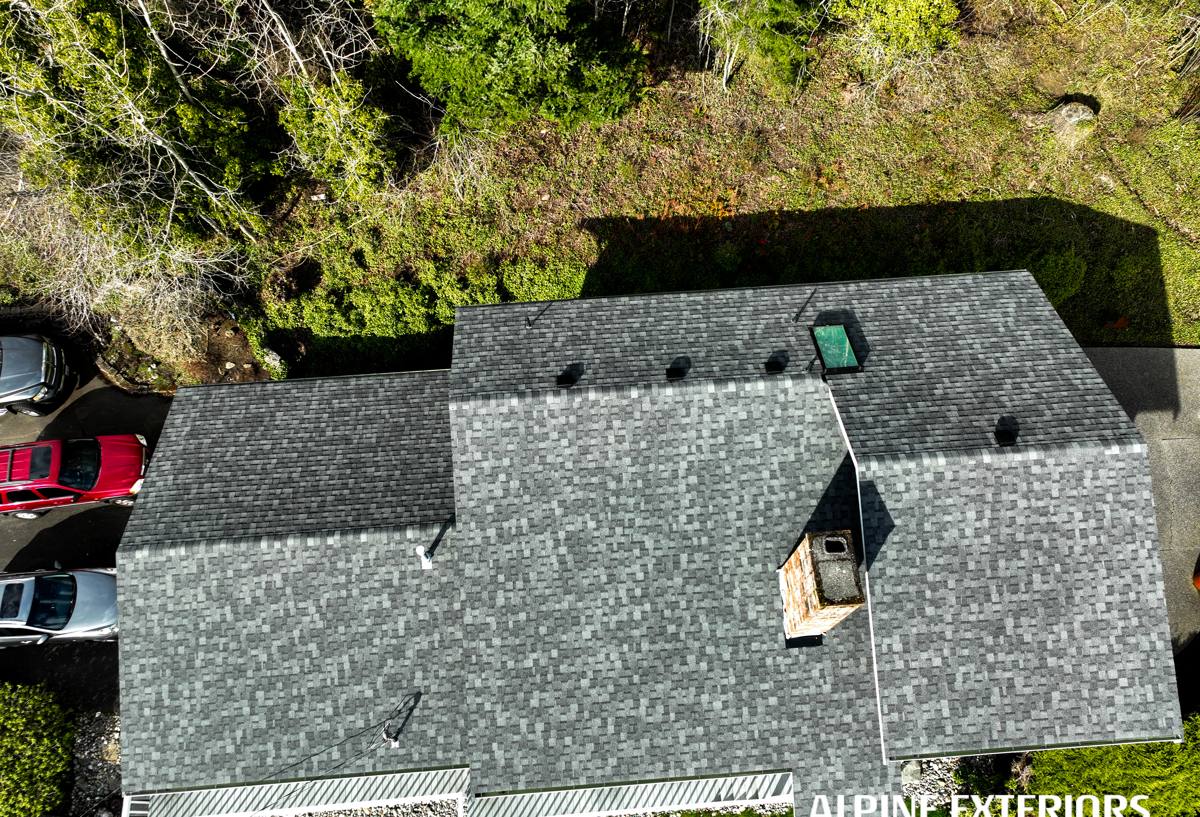
The damage that causes the most trouble is often invisible from the ground. Wind can loosen a shingle's seal without tearing it off entirely, which leaves a gap for water intrusion that won't show up until you notice a stain on your ceiling weeks later. Underlayment can tear beneath intact-looking shingles. Flashing seals can crack from repeated flexing without a single missing piece anywhere. This is why a proper storm damage inspection isn't just a walk around the yard looking up — it requires getting on the roof (or using close-range imaging) to check seams, flashing, and fastener integrity directly.
What a Correct Storm Repair Involves
A rushed storm repair — a few replacement shingles nailed down, a bead of sealant slapped on a flashing gap — might stop a leak for a season. It won't hold up to the next named storm or even the next heavy summer thunderstorm. A repair that's actually built for this climate involves a few non-negotiable steps:
- Full roof assessment, not just a look at the obviously damaged area. Storm damage often shows up in more than one spot, and wind can lift shingles on the leeward side of a roof just as easily as the windward side.
- Underlayment and decking check wherever shingles or tiles were displaced, since prolonged water exposure can compromise the wood decking underneath before you ever see a stain indoors.
- Matching materials for the repair — same shingle type, profile, and as close a color match as the existing roof allows, so the repaired section doesn't stand out or age at a different rate.
- Flashing re-sealed or replaced, not just caulked over. Caulk is a stopgap; proper flashing work addresses the actual water path.
- Fastener check on surrounding shingles or panels, since wind that damaged one section often loosened neighboring material enough to fail in the next storm even if it's still technically attached today.
Repair vs. Replacement: How We Make the Call
Not every storm-damaged roof needs a full replacement, and not every roof that "just needs a patch" is actually a good repair candidate. The right call depends on the roof's age, how widespread the damage is, and what condition the rest of the roofing system is in.
| Factor | Favors Repair | Favors Replacement |
|---|---|---|
| Roof age | Under 10-15 years, still within expected service life | Nearing or past manufacturer's expected lifespan |
| Damage extent | Localized to one section or slope | Spread across multiple slopes or the majority of the roof |
| Underlayment condition | Intact and dry beneath affected shingles | Saturated, torn, or showing signs of prior leaks |
| Material availability | Matching shingle/tile still available or close match exists | Discontinued material with no reasonable match |
| Insurance scope | Adjuster scopes repair as sufficient | Adjuster or structural inspection identifies broader compromise |
We'll give you a straight answer on which side of that line your roof falls on — we're not going to talk a homeowner into a full replacement when a proper repair will hold, and we're not going to patch a roof that's genuinely at the end of its service life just to make a quick job of it.
Our Process for Shore Acres Storm Repairs
1. Inspection and Documentation
We walk the roof (or use close-range photography where roof access is unsafe) and document every area of damage — visible and suspected. This documentation matters for your own records and, if you're filing an insurance claim, for supporting that claim with clear evidence rather than a vague description.
2. Honest Scope and Estimate
You get a written scope of what needs to be repaired, why, and what it involves — not a vague line item. If we find something that looks like it needs a closer look from a structural or moisture standpoint, we'll say so rather than guessing.
3. Temporary Protection if Needed
If your roof has an active leak or exposed decking, getting it weathertight comes first, even if the full repair has to be scheduled out a few days for materials or crew availability. Florida storm season doesn't wait, and neither should protecting your home's interior.
4. The Repair Itself
Matching materials, proper flashing work, and fastener checks on the surrounding area as outlined above — done to hold up to the next wind event, not just to look finished.
5. Final Walkthrough
We go over what was done and what to watch for going forward, particularly if your roof is getting close to the age where a repair now might mean thinking about replacement timing down the road.
Why It Matters That We Already Work in Shore Acres
A contractor who's worked storm repairs in Shore Acres and the surrounding St. Petersburg neighborhoods has already seen how roofs in this specific area fail — which flashing details tend to be weak points on homes built in a given era, how salt air affects certain metal components faster here than a few miles inland, and what wind patterns off the bay do to shingle tabs on exposed slopes. That's not something you get from general roofing experience alone; it comes from doing the work in this exact area, in this exact climate, repeatedly.
It also means faster response. After a significant storm, roofing crews get booked up fast across Pinellas County. A crew that already routes through St. Petersburg and knows Shore Acres can typically get to your home for an assessment sooner than one that's traveling from farther out or unfamiliar with the area.
Practical Steps After Storm Damage
If you suspect storm damage to your roof, here's what actually helps:
- Check attic or ceiling areas for water stains, even if you don't see obvious exterior damage — interior signs often show up before exterior damage is obvious from the ground.
- Take photos of any visible damage from the ground (do not climb onto a storm-damaged roof yourself).
- Note the date and general conditions of the storm event for insurance purposes.
- Avoid DIY tarping on a high or steep roof — improperly secured tarps can cause additional damage and are a safety risk.
- Get an inspection scheduled promptly; leaks that sit unaddressed lead to wood rot, mold, and insulation damage that cost far more than the original repair.
- Keep any documentation (photos, inspection reports, repair estimates) together for insurance claims.
Maintenance That Reduces Future Storm Damage
Storm damage isn't always preventable, but a well-maintained roof handles wind and rain events better than a neglected one. A few things that make a measurable difference for homes in this part of Pinellas County:
- Periodic inspections, especially before hurricane season and after any significant storm.
- Keeping gutters clear so wind-driven rain has somewhere to go instead of backing up under roof edges.
- Addressing minor issues — a lifted shingle tab, a small flashing gap — before they become entry points during the next storm.
- Trimming back tree limbs that could impact the roof during high wind.
If your Shore Acres home has storm damage or you just want a roof checked out before the next system comes through, we're happy to take a look and give you a straightforward assessment. Reach out for a free, no-pressure estimate using the form below.