 St. Petersburg Siding
 Why Snell Isle Roofs Wear Out Faster Than Most
Snell Isle sits right up against Tampa Bay, and that waterfront position cuts both ways. It's a big part of why people love living there, and it's also why roofs on this peninsula take a harder beating than roofs a few miles inland. Salt-laden air moves across the neighborhood constantly, working into metal flashing, fasteners, and vent components. Add in the intense, nearly year-round Florida UV exposure, and you've got a roofing surface that's being chemically and physically stressed from two directions at once, every single day, not just during storm season.
Then storm season actually arrives. Pinellas County sits in a hurricane corridor, and Snell Isle's low elevation and water exposure mean wind loads and wind-driven rain hit this neighborhood as hard as anywhere in St. Petersburg. A roof here isn't just shedding water — it's resisting uplift, fighting wind-driven rain that gets pushed sideways under shingle tabs, and doing it while sitting in a salt environment that accelerates corrosion on anything that isn't properly rated for it. A shingle roof built for a landlocked subdivision in another part of the state simply isn't built for what Snell Isle throws at it.
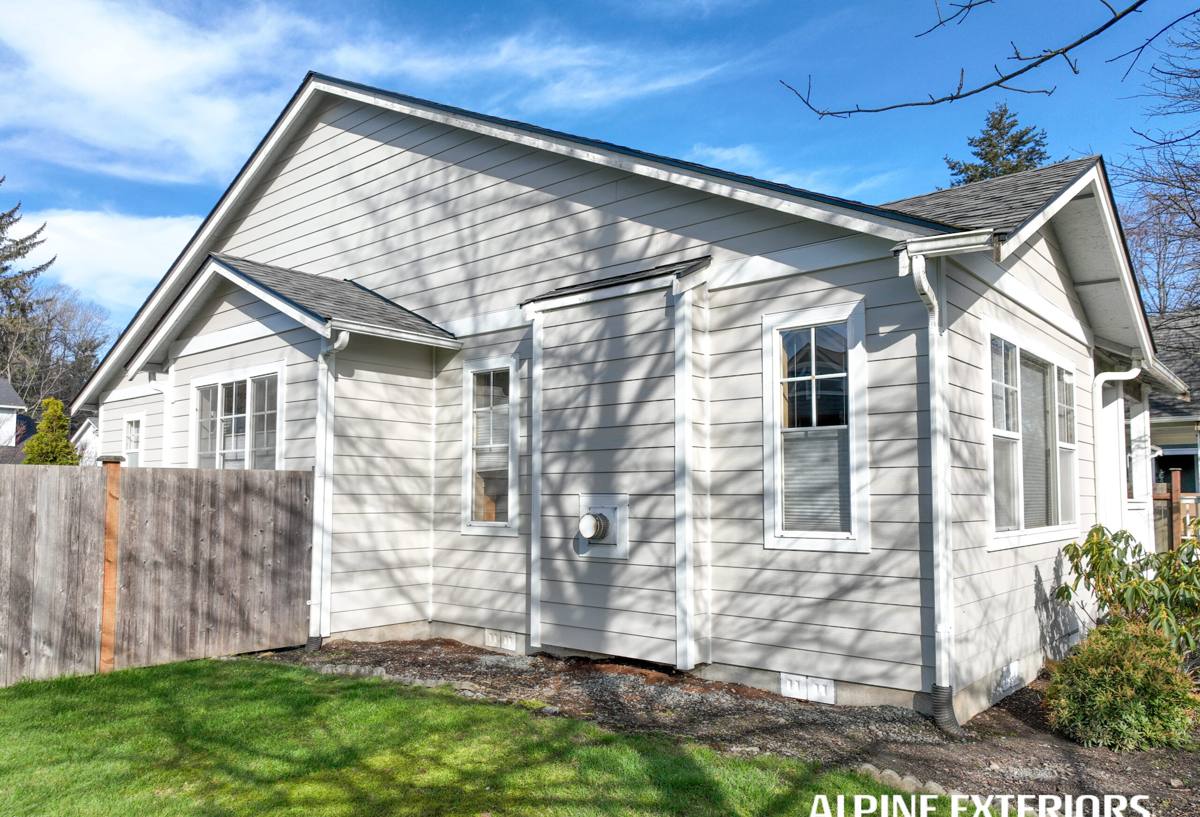
What a Snell Isle Roof Actually Needs
Wind Resistance Starts Below the Shingle
Most wind-related roof failures don't start with the shingles themselves — they start with how the roof was fastened and covered underneath. Correct nailing patterns (not staples, and not nails placed too high on the shingle), proper starter strip installation along eaves and rakes, and shingles rated for the wind speeds this part of Florida requires all matter more than the shingle brand printed on the wrapper. A beautiful shingle installed with a sloppy nailing pattern will still fail in a strong gust.
Underlayment Has to Handle Wind-Driven Rain
In a normal rainstorm, water runs downhill and the shingles do their job. In a wind-driven event — which is the norm here, not the exception — rain gets pushed uphill and sideways under the shingle tabs. That's where underlayment quality earns its keep. A synthetic, high-quality underlayment with properly sealed laps and reinforced attention at valleys, eaves, and penetrations is what keeps that sideways water out of the deck when the shingles alone can't stop it.
Ventilation Fights Heat, Not Just Moisture
Snell Isle homes deal with relentless sun load. An attic that can't vent that heat properly bakes the underside of the roof deck and shortens the life of the shingles from below, while also driving up cooling costs. Balanced intake and exhaust ventilation — not just a ridge vent slapped on without matching soffit intake — is part of getting a shingle roof to actually reach its expected lifespan in this climate rather than falling short of it.
Signs a Snell Isle Roof Needs Attention
Because salt air and UV work quietly, a lot of roof damage here doesn't announce itself with a leak until it's already fairly advanced. Homeowners are usually better served catching these signs early:
- Granules collecting in gutters or at downspout outlets — a sign the shingle surface is wearing thin
- Shingle edges that look curled, cupped, or lifted, especially on the sides of the roof that face open water
- Streaking or dark staining, which is often algae or moisture retention rather than just dirt
- Rusty streaks around vent boots, flashing, or exposed fasteners — a red flag for salt-air corrosion
- Soft spots or slight sagging felt underfoot on a roof walk, which can point to deck moisture damage
- Visible daylight or gaps around flashing at chimneys, walls, or roof-to-wall transitions
- Interior ceiling stains, even faint ones, after a heavy wind-driven rain event
What a Correct Asphalt Shingle Job Involves
A shingle roof is only as good as the layers nobody sees once it's finished. On a full replacement, the sequence matters:
- Tear-off and deck inspection. We remove old roofing down to the deck rather than layering over it, because covering old damage just hides problems and voids most manufacturer warranties. Any soft, rotted, or delaminated decking gets replaced before anything new goes down.
- Drip edge installation. Metal drip edge at eaves and rakes directs water off the roof cleanly and protects the fascia — a detail that's easy to skip and expensive to regret later.
- Underlayment. A synthetic underlayment is installed with proper overlaps, and self-adhering membrane goes down in vulnerable spots like valleys, eaves prone to wind-driven rain, and around penetrations.
- Flashing. New flashing at chimneys, walls, skylights, and roof-to-wall transitions — reused old flashing is a common shortcut that leads to leaks within a year or two, especially in a salt environment where old metal is already compromised.
- Shingle installation. Shingles go down with the manufacturer's specified nailing pattern and exposure, not a faster pattern that trades wind performance for speed.
- Ventilation. Ridge and soffit ventilation are balanced so the attic can actually exhaust heat and moisture rather than trap it.
- Final inspection. A walk of the full roof, valleys, and penetrations before we call the job done — not just a look from the ground.
Choosing the Right Shingle for This Neighborhood
Not every asphalt shingle product makes sense for a waterfront, storm-exposed neighborhood. Here's how the common options compare for a home in this setting:
| Shingle Type | Wind Performance | Best Fit For | Trade-Offs |
|---|---|---|---|
| 3-tab shingles | Lower wind rating, lighter weight | Budget-conscious projects on lower-exposure roof sections | Shorter lifespan in coastal wind and UV; less impact resistance |
| Architectural (dimensional) shingles | Higher wind rating, heavier construction | Most Snell Isle homes; the standard recommendation for waterfront exposure | Higher material cost than 3-tab, but longer service life offsets it |
| Impact-rated (Class 4) shingles | Highest wind and impact resistance | Homes prioritizing storm resilience and possible insurance credits | Highest upfront cost; savings depend on your specific insurance carrier's discount structure |
We steer most Snell Isle homeowners toward architectural shingles as the baseline, not because 3-tab products are bad, but because the wind and salt exposure here make the added durability worth the difference in cost over the life of the roof. Impact-rated shingles are worth a serious look for homeowners who want the strongest resilience against wind and debris and who plan to stay in the home long enough to benefit from that investment.
Working in Snell Isle Specifically
Every neighborhood has its own quirks, and Snell Isle has a few that matter on a roofing job. Mature tree canopy over many lots means extra care around debris cleanup, tarping landscaping, and checking for overhanging limbs that could damage a new roof during the next storm. Homes close to seawalls and canals see faster corrosion on any unprotected metal, which affects what fasteners and flashing materials we choose. And because streets in this area can be narrower with limited staging space, we plan material delivery and dumpster placement in advance so a roof replacement doesn't turn into a logistics headache for the homeowner or the neighbors.
Working this neighborhood regularly also means we're not guessing about what inspectors here expect to see, or relearning local permitting quirks on every job. That familiarity translates into fewer delays and fewer surprises once work is underway.
Permits, Wind Mitigation, and Insurance in Pinellas County
A full shingle roof replacement in St. Petersburg requires a permit, and the work has to meet current Florida Building Code wind and fastening requirements — not the code that was in place when an older roof was originally installed. We handle the permit process and schedule the required inspections as part of the job, so the paperwork trail matches what was actually installed.
A new roof is also the right time to have a wind mitigation inspection done. Pinellas County homeowners insurance premiums are heavily influenced by roof age, shingle type, and how the roof deck is attached and secured. A properly documented new roof, with the fastening and underlayment details recorded, can support meaningful insurance credits — though the exact discount depends on your carrier, not on us.
Maintenance That Actually Extends Roof Life Here
Asphalt shingle roofs in a salt-air, high-UV climate benefit from more attention than the same roof would need inland. A few habits go a long way:
- Keep gutters clear so water doesn't back up under the shingle edge during heavy rain
- Trim back tree limbs that overhang the roof to reduce abrasion and debris buildup
- Have flashing and vent boots checked every couple of years, since these small components fail well before the shingles do
- Rinse off heavy salt residue or algae growth periodically rather than letting it sit indefinitely
- Schedule a roof check after any major storm, even if there's no visible leak yet
Why Local Experience Matters on This Job
Asphalt shingle roofing isn't a one-size-fits-all product, and a crew that mostly works inland subdivisions won't automatically know how to detail a roof for salt exposure, wind-driven rain, and Pinellas County's specific code and insurance landscape. A contractor who already works in Snell Isle has already worked through the access constraints, the corrosion-resistant material choices, and the inspection expectations that come with this exact setting — which means fewer callbacks and a roof that's actually built for where it sits, not just installed to a generic spec.
If you're weighing a repair against a full replacement, or just want an honest read on where your current roof stands, we're happy to take a look. Request a free, no-pressure estimate using the form below and we'll walk you through what your home actually needs.