 St. Petersburg Siding
 Roof Replacement for Snell Isle Homes
Snell Isle sits on a peninsula surrounded by open water and canals, with a mature tree canopy that shades many of its lots. That combination is part of what makes the neighborhood distinctive — and part of what makes roofing here different from an inland St. Petersburg job. A roof on Snell Isle faces near-constant salt-laden air, direct sun off the water, wind-driven rain that finds its way under poorly sealed edges, and the occasional falling limb after a storm. A roof replacement here isn't just about swapping old shingles for new ones. It's about building a roof system that's matched to a waterfront exposure in Pinellas County, installed by people who understand what that exposure actually does to a roof over time.
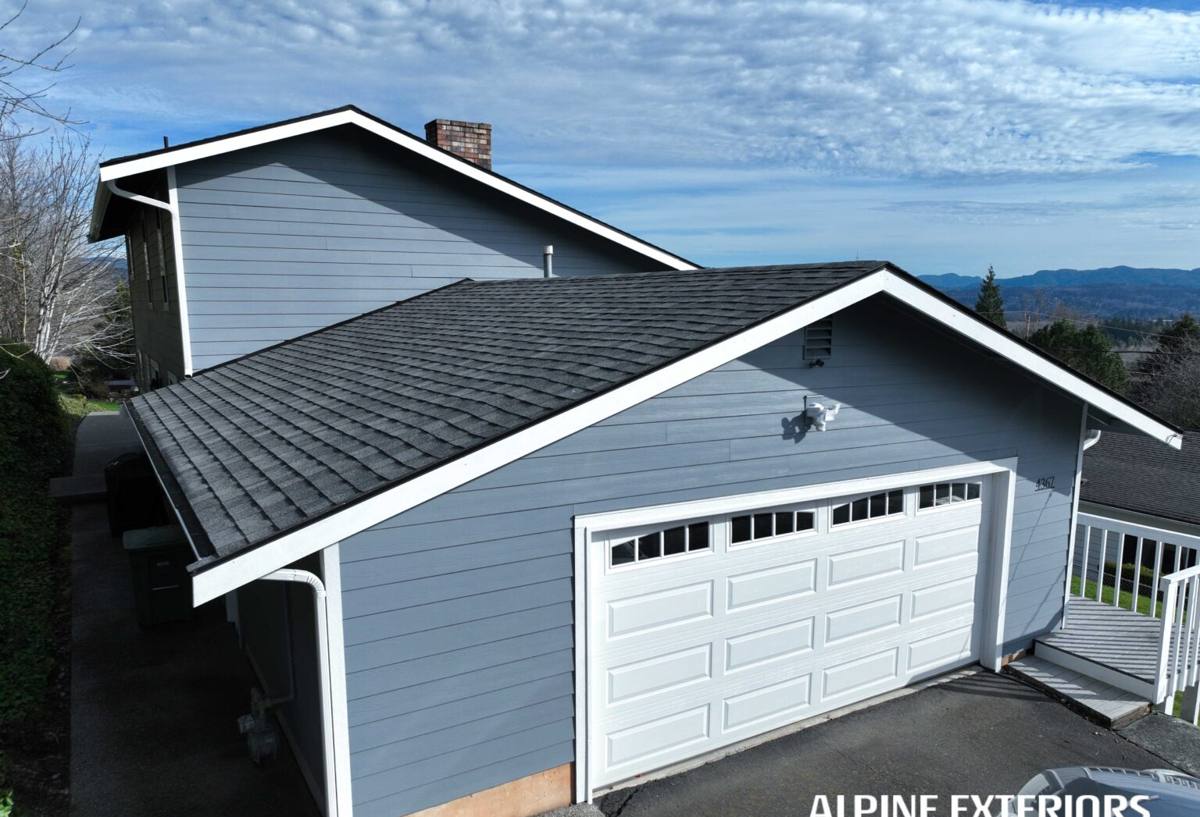
What Snell Isle's Climate Does to a Roof
Every roof in the Tampa Bay area deals with heat, UV, and hurricane season. Waterfront neighborhoods like Snell Isle get a heavier dose of a few specific stresses:
Salt air and corrosion
Airborne salt from the surrounding water accelerates corrosion on exposed metal — fasteners, flashing, drip edge, and vent stacks. Roofs installed with standard-grade or mismatched metal components tend to show rust and pinholing years before an inland roof would, which is exactly where leaks start.
Wind and wind-driven rain
Hurricane-force winds don't just lift shingles — they drive rain sideways, under tabs, up valleys, and into any gap in the underlayment or flashing. A roof that "looks fine" from the ground can still be letting water in at every high-wind event if the underlying details weren't done correctly.
Year-round UV
Florida sun breaks down roofing materials from the top down, drying out asphalt oils and degrading sealants faster than in most of the country. On a waterfront lot with little shade over the roof plane, that UV exposure is often more intense, not less.
Tree canopy and debris
Mature trees are one of the things people love about Snell Isle, but overhanging limbs mean more granule wear from friction, more organic debris collecting in valleys, and more risk of impact damage during storms.
Signs a Roof Needs Replacing, Not Just Repair
Not every roof issue on Snell Isle means a full tear-off. But there's a point where patching stops making financial sense and starts masking a bigger problem. Here's what usually tips that decision:
- Granule loss heavy enough that you can see bare, shiny patches of asphalt on shingles
- Multiple past repairs in different areas of the roof, rather than one isolated spot
- Soft or spongy decking felt underfoot during inspection, indicating rot below the surface
- Curling, cracking, or cupping shingles across large sections rather than a few isolated tabs
- Visible daylight or staining in the attic along the roof deck or rafters
- A roof approaching or past the manufacturer's expected service life for its material and this climate
- Rusted or failing flashing around chimneys, vent stacks, and roof-to-wall transitions
If you're seeing two or more of these at once, a licensed inspection is worth doing before another storm season rather than after the next leak shows up on a ceiling.
Building Code and Wind Requirements in Pinellas County
Roof replacements in St. Petersburg fall under Florida Building Code wind-borne debris and uplift provisions, which apply to coastal Pinellas County properties. In practical terms, that means the permit, the underlayment system, the fastening pattern, and the flashing details all have to meet a standard built for hurricane exposure — not just whatever was code when the house was originally built decades ago. A legitimate roof replacement includes a permit, inspections at the required stages, and materials rated for the wind zone your property sits in. Skipping any of that isn't just a compliance issue — it's the difference between a roof that holds up in a named storm and one that doesn't.
Roofing Material Options for a Waterfront Property
There's no single "best" roofing material for every Snell Isle home — it depends on the roof's slope, the home's architecture, and how long you plan to own the property. Here's how the common options stack up under coastal conditions:
| Material | Salt Air Resistance | Wind Performance | Typical Lifespan Here | Maintenance Notes |
|---|---|---|---|---|
| Architectural asphalt shingle | Good with quality fasteners | Strong with proper nailing pattern and rated shingle | 15-25 years | Periodic inspection of flashing and sealant lines |
| Standing seam metal | Very good with marine-grade coatings and fasteners | Excellent when properly fastened | 30-50 years | Watch for fastener corrosion over time; coating maintenance |
| Concrete or clay tile | Very good — tile itself doesn't corrode | Good, but individual tiles can dislodge in extreme wind if not properly attached | 30-50 years | Underlayment beneath the tile is the real wear item and needs periodic attention |
Whatever material a homeowner chooses, we're honest about trade-offs rather than pushing one product. Metal costs more up front but spreads that cost over a much longer service life. Tile suits certain architectural styles but adds structural weight considerations. Asphalt remains the most economical option and, with the right underlayment and fastening, performs well in this climate — it just has a shorter lifespan than the other two.
What a Correct Roof Replacement Actually Involves
Full tear-off and deck inspection
We remove the existing roofing down to the deck rather than layering over it, because you can't evaluate — or properly waterproof — a deck you can't see. Any soft, rotted, or delaminated decking gets replaced before anything new goes down.
Underlayment matched to wind exposure
This is the layer that actually keeps a house dry during wind-driven rain, and it matters more on a waterfront lot than almost anywhere else. We use underlayment systems rated for the exposure, with proper overlap and sealing at every seam.
Flashing at every transition
Chimneys, vent stacks, skylights, and roof-to-wall junctions are where the overwhelming majority of leaks start — not the open field of the roof. Corrosion-resistant flashing, properly integrated with the underlayment (not just caulked over the top), is non-negotiable this close to salt water.
Fastening for wind uplift
The nailing or fastening pattern has to meet the wind rating required for the property's exposure category. This is a detail that's invisible once the roof is finished but is exactly what separates a roof that survives a hurricane from one that doesn't.
Ventilation
Proper intake and exhaust ventilation keeps attic temperatures and moisture in check, which extends the life of the roofing material and helps with energy costs in Florida's heat. It's often overlooked on replacement jobs that focus only on what's visible from the street.
Final inspection and cleanup
Permit-required inspections, a magnetic sweep for stray fasteners, and a full site cleanup close out the job.
Why a Crew That Already Works Snell Isle Matters
Roofing a waterfront, tree-canopied peninsula neighborhood has logistics that a generic inland job doesn't. A crew that's already worked in Snell Isle knows how to stage equipment and dumpsters on lots with limited street access, how to work around canal-front setbacks and mature trees without unnecessary damage to landscaping, and what Pinellas County's permitting and inspection process actually looks like in practice — not just on paper. That familiarity translates into fewer surprises, fewer delays, and a job that's planned around the property's real constraints instead of guessed at.
Questions to Ask Before Hiring a Roofer
Whoever you hire for a roof replacement on a waterfront St. Petersburg property, it's worth confirming a few things up front:
- Are they licensed to do roofing work in Florida, and will they pull the permit themselves?
- Do they inspect and replace deteriorated decking as part of the base scope, not as a surprise change order?
- What underlayment and fastening system do they use, and is it rated for this wind exposure?
- How do they handle flashing at chimneys, vents, and wall transitions — sealant alone, or proper integration?
- What does the manufacturer's warranty actually cover, and does it require a certified installer?
- Have they worked on Snell Isle or similar waterfront neighborhoods before?
Cost Factors for a Snell Isle Roof Replacement
Every roof is priced individually based on its specifics, but the main variables that move the number are consistent:
| Factor | Why It Matters |
|---|---|
| Roof size and pitch | More surface area and steeper pitches increase labor and material needs |
| Material choice | Asphalt, metal, and tile carry different material and labor costs |
| Deck condition | Rotted or damaged decking found during tear-off adds repair scope |
| Number of roof penetrations | Chimneys, skylights, and vent stacks each require additional flashing work |
| Access and site logistics | Tree canopy, limited staging area, or canal-front access can affect labor time |
A written estimate should break these factors down clearly rather than giving a single lump number with no explanation of what's driving it.
If your Snell Isle roof is showing its age or you just want an honest read on where it stands, we're happy to take a look. Use the form below to request a free, no-pressure estimate.