 St. Petersburg Siding
 Building Decks for St. Pete Beach, Florida
St. Pete Beach sits about as close to the Gulf as a Pinellas County property can get, and that proximity is exactly what makes deck building here different from deck building almost anywhere else in the state. A deck built to a generic national spec will start showing problems within a year or two on this barrier island. A deck built for this specific environment — salt-laden air, near-constant UV exposure, and the real possibility of tropical storm or hurricane-force wind — can hold up for decades. Our job is to design and build the second kind.
We work throughout St. Petersburg and the surrounding Pinellas County coastline, and St. Pete Beach is one of the areas where we spend a lot of our time. That matters because deck problems here aren't hypothetical — they're patterns we see repeatedly on this stretch of coast, and we build to avoid them from day one.
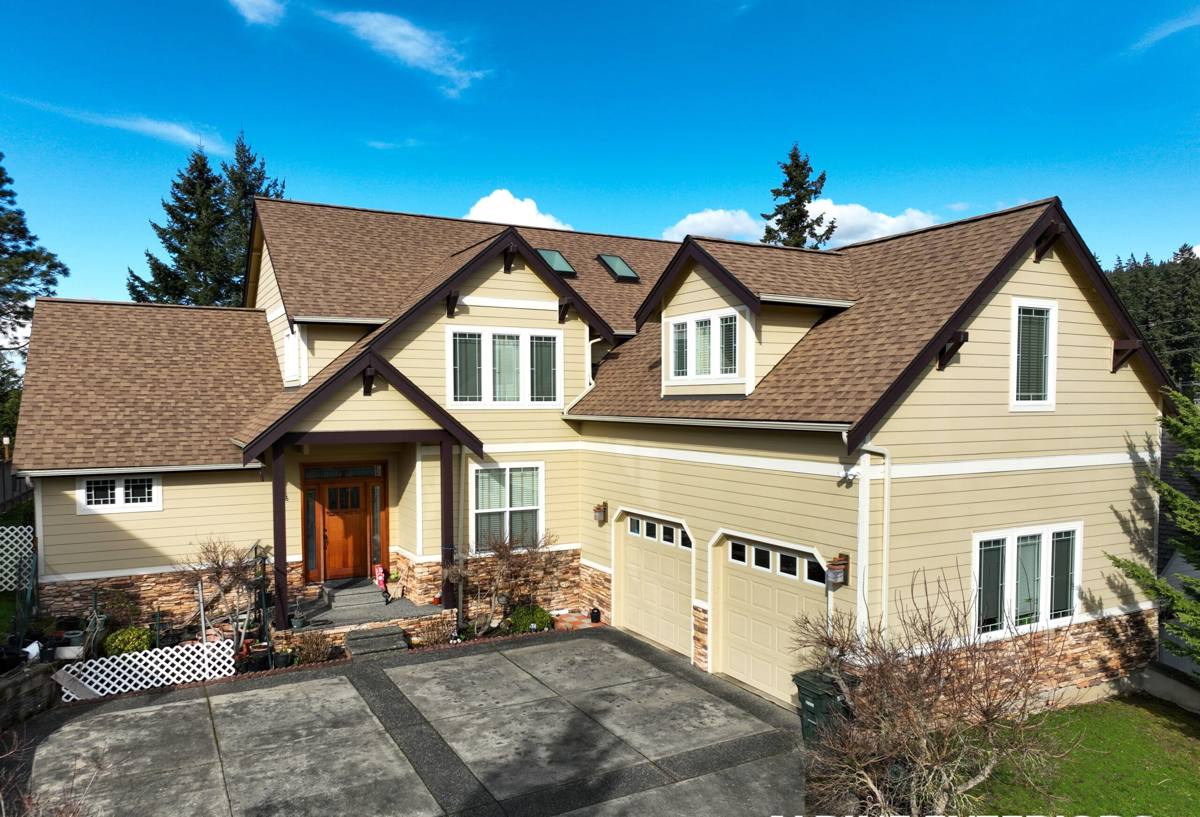
Why St. Pete Beach Is a Tough Environment for Decks
A few things stack up against outdoor structures here, and they compound each other:
- Salt air corrosion: Airborne salt from the Gulf accelerates rust on fasteners, brackets, and hardware, especially within the first few hundred yards of the water — which covers most of St. Pete Beach.
- Intense, near-year-round UV: Florida sun breaks down unprotected wood fibers and degrades many finishes faster than manufacturers' ratings assume, since those ratings are often based on less extreme climates.
- Wind-driven rain: Storms here don't just drop rain straight down — wind pushes moisture sideways and up under boards, into ledger connections, and into any gap that isn't properly flashed or sealed.
- Hurricane-force wind loads: Pinellas County's building code reflects the real risk of high-wind events, and a deck's structural connections — not just the decking surface — need to be engineered for uplift and lateral load, not just weight.
- High humidity and ground moisture: Consistent moisture at grade accelerates wood rot at posts and footings if they aren't properly isolated from the soil.
None of this means a wood or composite deck can't work in St. Pete Beach. It means the choices you make at every stage — materials, fasteners, framing, drainage — have to account for this environment specifically, not for a generic outdoor deck spec written for a drier, calmer climate.
What This Means for Materials
The decking surface gets the attention, but the framing and fasteners underneath do the real work of keeping a deck standing through storm season after storm season. In a coastal environment like this one, we treat hardware selection as seriously as we treat the decking choice itself.
| Material | How It Handles This Climate | Trade-Offs |
|---|---|---|
| Pressure-treated wood | Affordable, strong, widely available; needs the right fastener metallurgy to avoid galvanic corrosion near salt air | Requires periodic sealing/staining to resist UV graying and moisture cracking |
| Composite decking | Resists rot and UV fading better than untreated wood over the long term; consistent performance in humidity | Higher upfront cost; can run hotter underfoot in direct sun; quality varies a lot by brand and core construction |
| Tropical hardwoods (e.g., ipe-type species) | Naturally dense and rot-resistant; handles moisture well | Expensive; heavier install requirements; still benefits from periodic oiling to control UV graying |
| Stainless or coated coastal-rated fasteners | Resists rust and galvanic corrosion in salt air far better than standard hardware | Costs more than standard fasteners, but this is not a place to cut corners |
What a Correctly Built Deck Needs Here
A deck that's going to hold up on the barrier island side of St. Petersburg needs more than good-looking boards on top. The parts you don't see are what determine whether the deck is still solid in ten years.
Structural Connections
Ledger board attachment to the house, post-to-beam connections, and joist hangers all need to be rated for the wind loads Pinellas County code requires, with hardware matched to resist the corrosion this environment causes. A deck that looks fine but was built with mismatched or under-spec hardware is often the one that fails first in a storm — not because the decking blew off, but because a connection let go.
Footings and Post Bases
Footings need to be sized and set to local frost-free, high-water-table conditions common in this part of Florida, with post bases that keep wood off direct ground contact and standing water. Ground contact is one of the fastest ways to introduce rot into an otherwise well-built structure.
Drainage and Airflow
Proper board spacing and substructure ventilation let moisture escape after every rain instead of sitting trapped underneath the deck. Wind-driven rain finds its way under decking regardless of how the deck is oriented, so the assembly has to be able to dry out quickly rather than relying on rain avoidance.
Fastener and Flashing Details
Every point where the deck meets the house — the ledger, any stair stringers, railing posts — needs proper flashing to keep water from tracking into the structure itself. This is one of the most common places we find deficient work on older decks in this area: flashing that was skipped or installed incorrectly, leading to hidden rot behind the ledger years before it becomes visible.
Design Considerations Specific to St. Pete Beach Homes
Beyond the engineering, there are a few practical design questions that come up often on the beachside of St. Petersburg:
- Elevation and view lines: Many St. Pete Beach properties are built to take advantage of Gulf or waterway proximity, so deck height and railing design often need to balance sightlines with safety code requirements.
- Sun exposure: With sun exposure this consistent, shade structures, orientation, and decking color (darker composites and hardwoods absorb more heat) are worth thinking through before construction, not after.
- Salt spray proximity: Homes directly facing the Gulf see more airborne salt than those a few blocks inland, which can shift our hardware and finish recommendations even within the same neighborhood.
- HOA and community guidelines: Some St. Pete Beach communities have their own aesthetic or material guidelines. We factor that into the design conversation early so it doesn't become a delay later.
Our Deck Building Process
We keep the process straightforward and transparent from the first visit to the final walkthrough:
- On-site assessment: We look at your property's grade, sun exposure, proximity to the water, house structure at the attachment point, and any existing deck condition if we're replacing one.
- Design and material selection: We walk through the honest trade-offs between wood, composite, and hardwood decking for your specific use, budget, and maintenance preferences — no upselling toward whatever has the best margin.
- Permitting: Decks in Pinellas County typically require a building permit, and structures need to meet local wind-load and setback requirements. We handle the permitting process so you're not navigating city and county requirements on your own.
- Site prep and footings: We set footings appropriately for local soil and water table conditions before any framing goes up.
- Framing with corrosion-appropriate hardware: Every structural connection uses fasteners and hardware rated for coastal exposure, not generic hardware store fare.
- Decking, railing, and finish work: We install your chosen decking material with proper spacing for drainage, then complete railing, stairs, and any finish work like sealing or staining.
- Final walkthrough: We go over the finished deck with you, including any maintenance recommendations specific to the material you chose and this climate.
Maintenance Realities in a Coastal Climate
Whatever material you choose, a deck in St. Pete Beach needs more regular attention than the same deck would need in a drier, less humid part of the country. Setting realistic expectations up front avoids surprises later.
- Rinse salt residue off decking and railings periodically, especially after storms with onshore wind.
- Inspect fasteners and hardware annually for early signs of corrosion, particularly at ledger and post connections.
- Reseal or restain wood decking on a schedule appropriate to sun exposure — a south- or west-facing deck will need attention more often than a shaded one.
- Keep gutters and nearby drainage clear so water isn't dumping directly onto or under the deck structure.
- Check for soft spots or discoloration at ground-contact points and railing posts, which are usually the first places rot shows up.
Why Hire a Crew That Already Works St. Pete Beach
Deck building isn't just a national spec applied locally — the right approach here is shaped by things a crew only learns by working this specific stretch of coast repeatedly: which hardware actually holds up a few blocks from the Gulf, how local permitting and wind-load requirements get applied in practice, and which framing details actually matter once storm season rolls around every year. A contractor unfamiliar with this environment may build a deck that looks identical to one built the right way, and the difference won't show up until the first serious storm or the first few years of salt exposure take their toll.
We're not guessing at what this climate does to outdoor structures — hurricane-force winds, intense UV, wind-driven rain, and salt air are the baseline conditions we design around for every project in this part of Pinellas County, not exceptions we plan for occasionally.
Get a Free Estimate
If you're planning a new deck or need to replace one that's showing its age in St. Pete Beach, we're happy to take a look and give you an honest assessment — what your property needs, what materials make sense for your budget and exposure, and what it will actually cost. Fill out the form below for a free, no-pressure estimate.