 St. Petersburg Siding
 Storm Damage Roof Repair Built for St. Pete Beach Conditions
St. Pete Beach sits right on the Gulf, which means every roof out here takes a harder hit than a roof ten miles inland. Between hurricane-force wind events, wind-driven rain that gets pushed sideways under roof edges, near-constant UV exposure, and salt-laden air working on every exposed metal fastener and flashing seam, roofs on this barrier island age faster and fail differently than roofs elsewhere in Pinellas County. A storm damage repair here isn't just "patch the hole and move on" — it has to account for what the next storm, and the salt air in between storms, is going to do to that repair.
This page covers what storm damage roof repair actually involves for a St. Pete Beach home, what we look for that generic inspections miss, and how our process works from first call to finished repair.
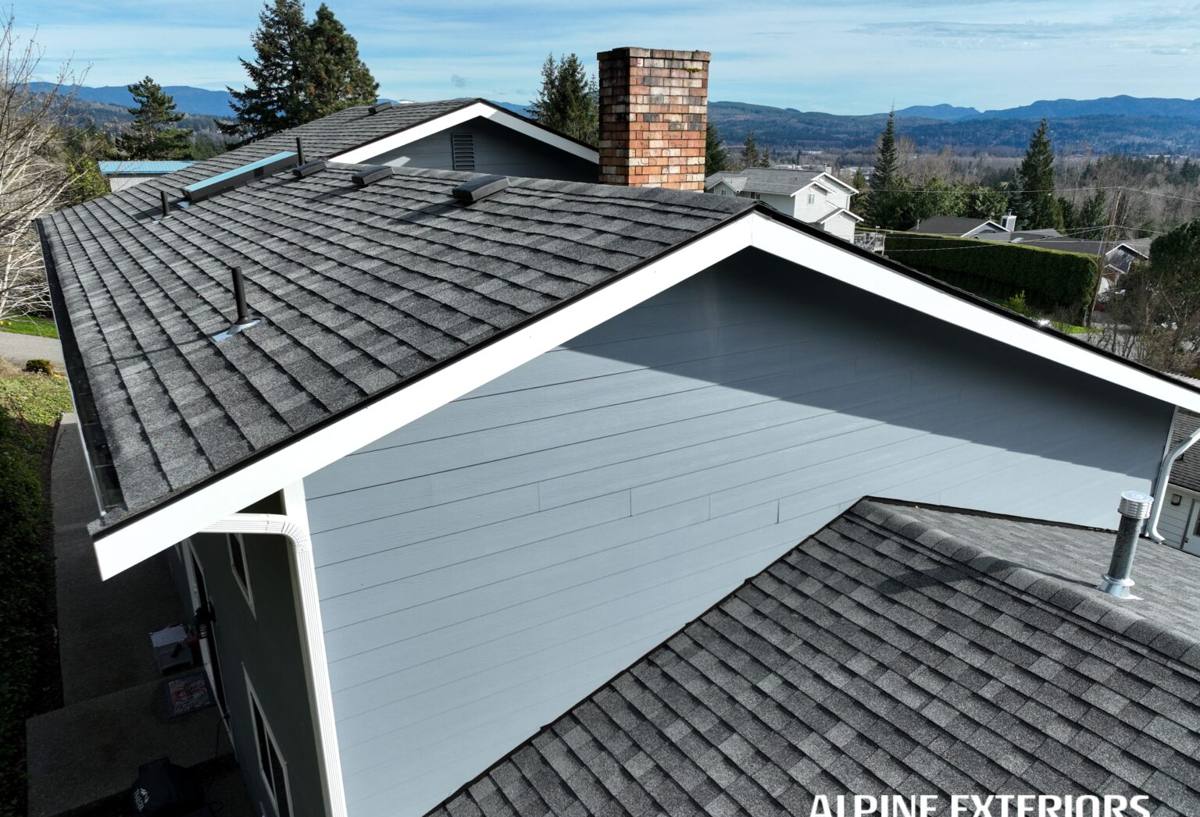
Why Storms Hit Roofs Differently on a Barrier Island
Wind Load and Uplift
St. Pete Beach gets less protection from surrounding land mass than inland Pinellas neighborhoods, so sustained winds and gusts during tropical systems tend to run higher here. Wind doesn't just push down on a roof — it creates uplift pressure at edges, corners, and ridgelines, which is exactly where shingles, tiles, and flashing first start to lift and separate from the deck.
Wind-Driven Rain
A roof can be perfectly watertight in a normal rainstorm and still leak badly in a hurricane-force event, because wind-driven rain travels horizontally and even upward under eaves, ridge caps, and lifted shingle tabs. This is why storm leaks often show up in places a roofer wouldn't expect from a still-air inspection — at gable ends, around chimneys, and along low-slope transitions.
Salt Air and Corrosion
Being close to the Gulf means airborne salt settles on every roof surface and, more importantly, on every metal component — nail heads, flashing, vent boots, and fastener straps. Salt accelerates corrosion, which weakens the exact hardware that's supposed to hold everything down during the next wind event. A roof that looks fine from the ground can have flashing and fasteners that are already compromised.
Year-Round UV Exposure
Florida sun breaks down roofing materials steadily over time, making shingles brittle and sealant strips less effective at re-adhering after they've been lifted by wind. A roof that's already UV-aged has far less give when a storm comes through, so damage that would be minor on a newer roof can become a real failure point on an older one.
What Storm Damage Actually Looks Like
Homeowners often assume storm damage means missing shingles or an obvious hole. In practice, a lot of storm damage is subtle and shows up gradually:
- Shingles or tiles that are lifted, creased, or cracked but still technically in place
- Granule loss that exposes the asphalt mat underneath, visible as bald or shiny patches
- Flashing pulled away from chimneys, walls, or roof-to-wall transitions
- Compromised seals around vent boots, pipe collars, and skylight edges
- Soft spots or discoloration on interior ceilings that show up days or weeks after a storm, once water has worked its way through
- Debris impact marks — dents or punctures from wind-blown branches, roof tiles from neighboring homes, or loose fixtures
The tricky part is that several of these can exist without a single active leak yet. That's the gap where small storm damage turns into a bigger repair if it sits through a few more rain events.
What a Correct Storm Damage Repair Involves
Start With the Deck, Not the Surface
A repair that only replaces visible shingles or tiles without checking the underlayment and decking underneath is a repair that's likely to fail again in the next storm. Wind-driven rain often gets past the surface layer before any shingle damage is visible, so we check the underlayment condition and decking for soft or delaminated spots anywhere water intrusion is suspected.
Match Materials, Not Just Colors
Patch repairs need to match the existing roofing material's type, weight, and wind rating — not just its color. Mixing in a lower wind-rated shingle or an incompatible tile profile creates a weak point that behaves differently than the surrounding roof in the next high-wind event, which defeats the purpose of the repair.
Flashing and Fasteners Get the Same Attention as the Field
Given how much salt-air corrosion affects flashing and fasteners here, a proper storm repair re-secures or replaces compromised flashing and hardware, not just the shingles or tiles around it. Reusing corroded fasteners to save time is a shortcut that shows up as a callback after the next storm.
Seal for Wind-Driven Rain, Not Just Still Water
Sealing and flashing details are done with the assumption that rain will be moving sideways and, at roof edges, sometimes upward. That changes how laps, ridge caps, and edge details are finished compared to a repair done purely for standing-water protection.
Repair vs. Replace: What Factors Into the Decision
Not every storm-damaged roof needs full replacement, but not every damaged roof is a good candidate for a targeted repair either. These are the factors that typically drive the decision:
| Factor | Favors Repair | Favors Replacement |
|---|---|---|
| Roof age | Newer roof, still within its expected service life | Roof already near or past typical lifespan for its material |
| Extent of damage | Localized to one section or slope | Widespread across multiple slopes or the whole roof |
| Underlayment condition | Underlayment and decking still sound | Underlayment compromised or decking shows rot/soft spots |
| Material availability | Matching shingles/tiles still available | Original material discontinued, patch would visibly mismatch |
| Prior repair history | First significant repair on this roof | Multiple past repairs, roof has a pattern of recurring issues |
We'll walk through where your roof falls on these factors honestly — a repair that's likely to need redoing in a year isn't a good use of your money, and we'll say so rather than sell a patch job that won't hold.
Our Process
- Initial inspection. We assess the full roof, not just the area you noticed damage in, since wind and salt-air effects are rarely limited to one visible spot.
- Documentation. We photograph and note the damage in detail, which is useful whether you're filing an insurance claim or just want a clear record of the roof's condition.
- Written scope and estimate. You get a clear explanation of what's damaged, what needs to be done, and why — no vague line items.
- Repair work. Deck and underlayment checked first, matching materials installed, flashing and fasteners addressed as part of the job, not as an afterthought.
- Final walkthrough. We review the completed repair with you before we consider the job done.
A Note on Insurance Claims
If you're filing a homeowner's insurance claim for storm damage, thorough documentation matters — adjusters are looking for clear evidence tied to a specific storm event, not general wear. We provide detailed photos and a written assessment that you can submit alongside your claim. We're not your insurance company or your public adjuster, and we won't promise a claim outcome, but we make sure the roof-condition documentation you bring to that conversation is accurate and complete.
Why a Crew That Works St. Pete Beach Regularly Matters
Roofing crews that mostly work inland don't see barrier-island conditions often enough to build real pattern recognition for them — where salt air typically attacks flashing first, which roof orientations catch the worst of wind-driven rain off the Gulf, and how UV exposure on a beach-facing slope compares to a shaded one. A crew that regularly works in St. Pete Beach and the surrounding Pinellas County coastline has seen these failure patterns repeat across enough roofs to know where to look first and what corners not to cut on a repair that has to survive the next storm season.
There's also a practical side: local availability. After a significant storm moves through Pinellas County, demand for roof repair spikes fast, and crews with an established local presence are generally able to respond sooner than companies dispatching from farther away.
Signs It's Time to Have Your Roof Checked
- Visible shingle or tile damage after any named storm or significant wind event
- New water stains on interior ceilings, especially near exterior walls or chimneys
- Granules collecting in gutters or at downspout outlets
- A roof that's due for its next routine inspection after several storm seasons
- Any past repair that was done quickly right after a storm and hasn't been reassessed since
If your roof falls into any of these categories, it's worth having it looked at before the next storm system moves through, not after.
If you're dealing with storm damage on a St. Pete Beach roof, or just want an honest assessment of where things stand, we're glad to take a look. Fill out the form below for a free, no-pressure estimate — there's no obligation, and you'll walk away with a clear picture of what your roof actually needs.