 St. Petersburg Siding
 Storm Damage Roof Repair Built for Old Northeast Homes
Old Northeast sits close to the water, under a canopy of mature oaks, in one of St. Petersburg's older established neighborhoods. That combination is part of what makes the area beautiful — and part of what makes its roofs work harder than roofs a few miles inland. Tree limbs come down in wind events, salt-laden air off Tampa Bay accelerates corrosion on metal fasteners and flashing, and many of the homes here are older, with roof decking, ventilation, and flashing details that don't match what you'd find on a house built in the last decade. Storm damage repair in this neighborhood isn't a generic patch job — it has to account for the roof's age, the tree cover, and the coastal exposure all at once.
This page covers what storm damage roof repair actually involves for a Old Northeast home, what a correct repair looks like versus a quick cosmetic fix, and why a crew that already works in this part of Pinellas County tends to get better, longer-lasting results.
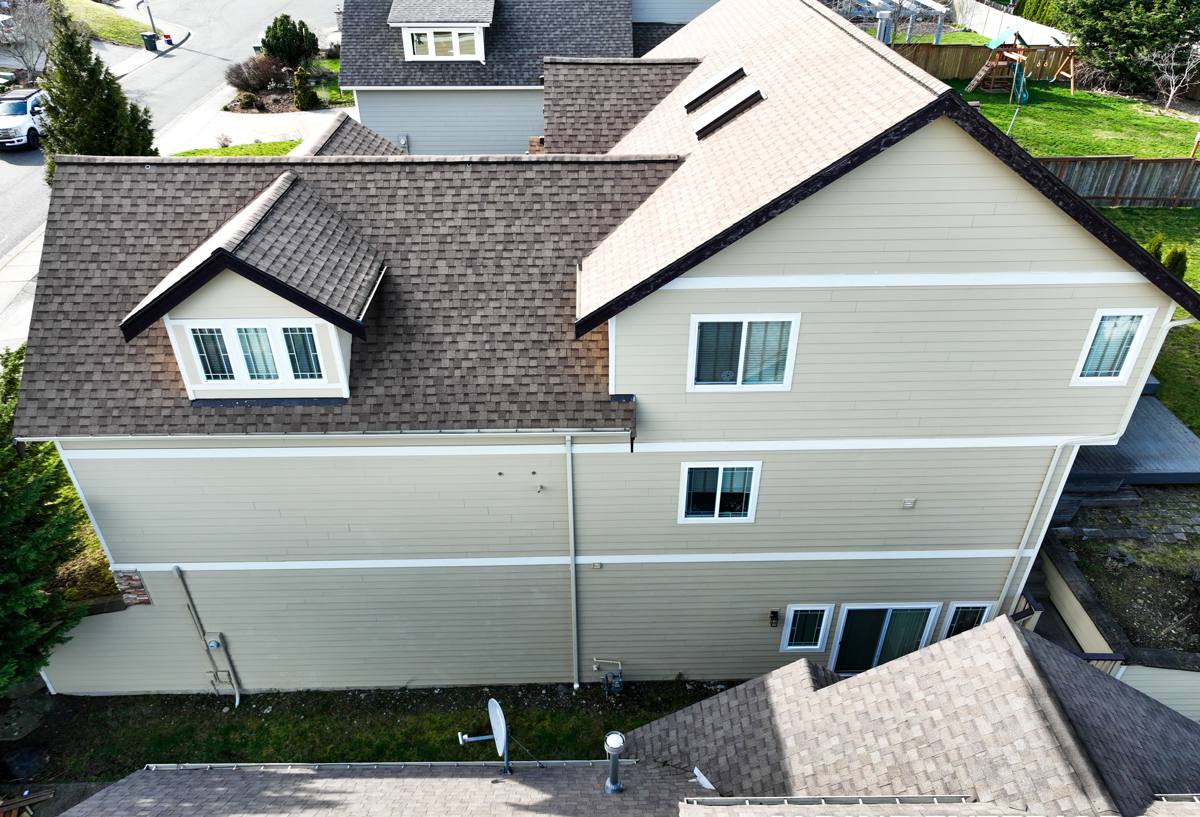
What Pinellas County Weather Does to a Roof Over Time
Four things drive most of the storm-related roof calls we see in this part of St. Petersburg, and they usually work together rather than alone:
- Hurricane-force and tropical-storm-force wind — lifts shingle tabs, works flashing loose, and can tear off ridge caps or ventilation components even when the rest of the roof looks intact from the ground.
- Wind-driven rain — during a storm, rain doesn't just fall straight down. It gets pushed sideways and upward under shingle edges, around chimneys, and into any gap that wouldn't normally see water, which is why leaks often show up in spots that never leaked before.
- Year-round intense UV — Florida sun bakes asphalt shingles, dries out sealant strips, and makes roofing materials more brittle, so they're more prone to cracking or tearing when a storm does arrive.
- Salt air — being close to the bay means airborne salt accelerates corrosion on exposed nails, screws, metal flashing, and drip edge. Corroded fasteners lose their grip, which is a common hidden cause of shingles that lift in wind that shouldn't have been strong enough to cause damage.
On an older Old Northeast home, add in mature tree canopy — limb strikes, debris buildup in valleys, and gutters that clog faster — and you have a roof that's dealing with more stress than a comparable roof in a newer, more open subdivision.
What Storm Damage Actually Looks Like
Damage You Can See From the Ground
Missing or visibly lifted shingles, exposed underlayment, a sagging section, debris still sitting on the roof, or a tarp someone put up during the storm that needs a permanent fix.
Damage You Can't
Most storm damage that leads to real problems later isn't dramatic. It's a handful of nails backed out under a shingle, a piece of flashing pushed a quarter-inch out of place, a soft spot where wind-driven rain got under the shingle mat and started saturating the decking. None of that is visible from the driveway. It's why a proper storm damage repair starts with an actual inspection, not a drive-by estimate.
What a Correct Repair Involves
Inspection First
A legitimate repair starts with someone getting on the roof — not just looking at photos or standing on the ground — to check the field of the roof, all flashing points (chimney, walls, skylights, plumbing vents), the ridge, and the attic underside for water staining or damp decking. Skipping this step is how a "fixed" roof ends up leaking again in the next storm.
Emergency Mitigation, If Needed
If a storm has left the roof open to the weather, the first priority is stopping additional water intrusion — tarping exposed areas and securing loose material — before scheduling the permanent repair. This matters most in the days right after a storm passes through Pinellas County, when demand for roofing crews spikes and delays are common.
Matching the Repair to the Damage
Not every storm-damaged roof needs full replacement, and not every roof can be safely patched. A section repair makes sense when the damage is localized and the surrounding roof and decking are sound. Full or partial replacement makes sense when the decking has taken on water, the shingles are already near the end of their service life, or the damage is spread across enough of the roof that patching would leave mismatched, weak points behind. Part of doing this job honestly is telling a homeowner which situation they're actually in, rather than defaulting to the option that's easiest to sell.
Getting the Details Right
Storm repairs fail for predictable reasons: reused fasteners that are already corroded from salt air, flashing that's caulked instead of properly integrated with the shingle courses, or new shingles installed without addressing the ventilation or decking underneath them. A correct repair replaces compromised fasteners, re-flashes rather than just re-seals, and checks that decking is dry and sound before anything new goes down on top of it.
Roofing Materials: What's Common in Older Neighborhoods Like Old Northeast
| Material | How It Handles Wind & Storms | Maintenance Considerations |
|---|---|---|
| Asphalt shingle | Good performance when properly fastened and sealed; most vulnerable at edges, ridges, and aging sealant strips | UV exposure shortens sealant life; fastener corrosion near the bay is worth checking during inspections |
| Metal roofing | Strong wind resistance when installed correctly; failure points are usually fasteners and seams, not the panels themselves | Salt air makes fastener and flashing material choice important; not all metal roofing is equally corrosion-resistant |
| Clay or concrete tile | Individual tiles can crack or dislodge in wind and debris impact; underlayment condition matters as much as the tile itself | Older tile roofs often need underlayment attention even when the tile itself looks fine |
Many homes in this part of St. Petersburg were built well before current roofing products and fastening standards existed, so it's common to find a mix of original materials and prior patch repairs layered on top of each other. Part of an honest storm inspection is identifying what's actually up there before recommending a fix.
Our Process for Old Northeast Storm Repairs
- Inspection and documentation — a full on-roof and attic assessment, with photos of the actual damage, not just visible symptoms.
- Emergency mitigation if the roof is currently exposed — tarping or securing loose material to stop ongoing water intrusion.
- A clear, written scope of repair — what's damaged, what needs to be replaced versus patched, and why.
- The repair itself — matching materials appropriately, replacing compromised fasteners and flashing rather than just sealing over them, and confirming decking is sound before closing the roof back up.
- Final walkthrough — so you can see what was done and ask questions before we consider the job finished.
Insurance Claims and Documentation
If a storm has caused enough damage that you're filing an insurance claim, documentation matters. Photos taken before any repair work begins, a written scope that separates pre-existing wear from storm-caused damage, and a clear explanation of what's being repaired and why all make the claims process smoother. We're not a public adjuster and don't represent ourselves as one, but we document our findings in a way that's useful if you do need to file a claim, and we're glad to answer straightforward questions about what we found on your roof.
Homeowner Checklist: After a Storm
- Check the attic (if safely accessible) for new water stains, damp insulation, or daylight coming through the decking.
- Look at ceilings and interior walls for new staining, especially near chimneys, skylights, or where walls meet the roofline.
- From the ground, look for missing shingles, visible bare spots, or displaced flashing — but don't get on the roof yourself.
- Clear debris from gutters and downspouts once it's safe to do so; clogged drainage adds stress to an already-stressed roof.
- Get an inspection even if you don't see obvious damage — wind and wind-driven rain damage is often hidden until the next heavy rain finds it.
- Keep any photos or notes you take; they're useful whether or not you end up filing an insurance claim.
Why a Local Crew Matters for This Neighborhood
A crew that regularly works in Old Northeast has seen how this specific mix of factors — older construction, mature tree canopy, and proximity to the bay — actually plays out on real roofs, not just in general terms. That means recognizing the difference between a fastener that's corroded from salt air and one that simply worked loose, knowing which flashing details tend to be original and undersized by today's standards, and not being surprised by what's underneath the surface layer on a roof that's had prior patch work done over the years. It also means being available and familiar with the area after a storm passes through St. Petersburg, when response time and getting the details right the first time both matter.
If your roof has storm damage — or you're not sure and just want a second, honest opinion — we're happy to take a look. The estimate is free, there's no pressure, and you'll get a straight answer about what your roof actually needs. Use the form below to get started.