 St. Petersburg Siding
 Windows Built for the Euclid-St. Paul Climate
Euclid-St. Paul sits well inside Pinellas County's coastal weather belt, and that means the windows on these homes work harder than windows almost anywhere inland. Between hurricane-force wind events, wind-driven rain that finds every weak seal, salt-laden air that corrodes hardware, and year-round UV exposure that breaks down seals and finishes faster than most homeowners expect, a window installed without that climate in mind is a window that will fail early — usually at the worst possible time, mid-storm. This page is about doing the job right for this specific area: what the local conditions demand, what a correct installation actually involves, and why a crew with real Euclid-St. Paul experience makes a measurable difference.
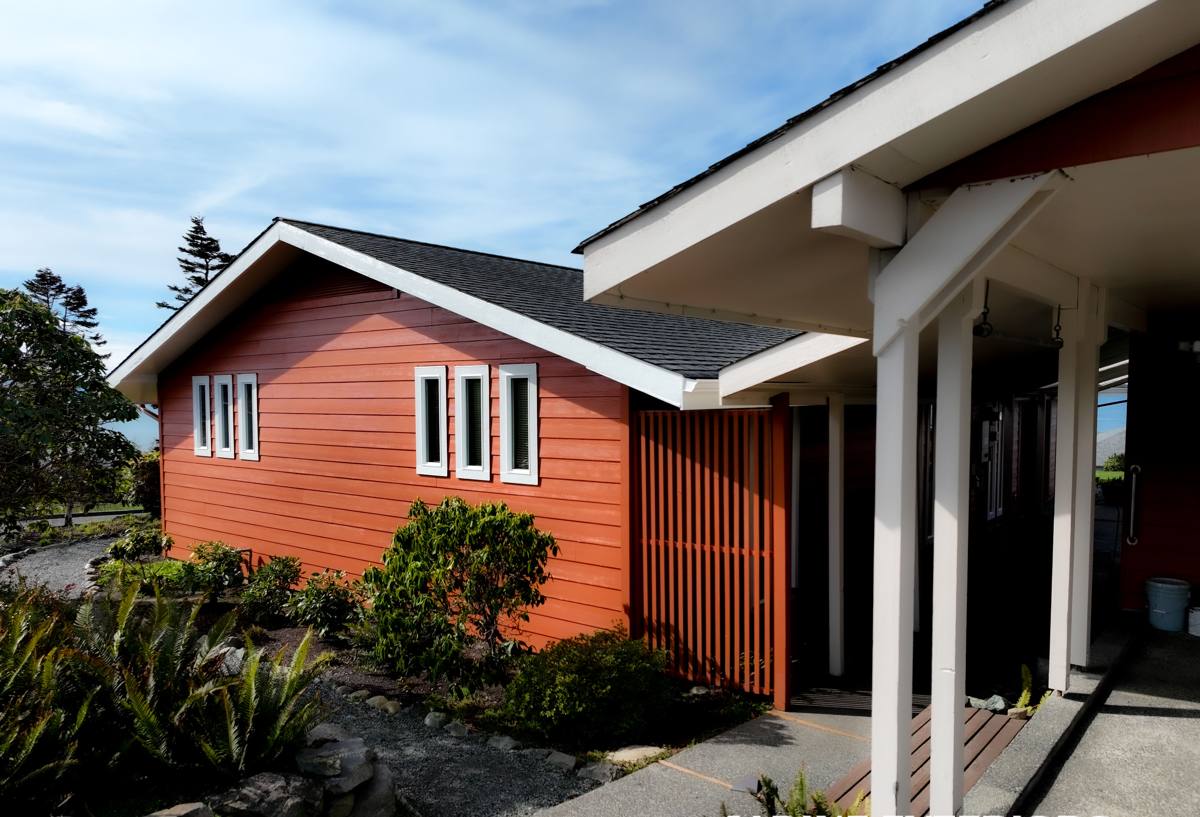
What This Climate Actually Does to a Window
It helps to understand the specific stresses at play, because they're not the same stresses a window faces in a drier or more inland climate.
Hurricane and Tropical-Storm Wind Loads
St. Petersburg sits in a high-velocity hurricane zone, and Pinellas County's building code reflects that with strict wind-load and impact-resistance requirements for openings. A window isn't just glass — under storm-force wind, the whole assembly (frame, anchoring, and the wall opening around it) has to resist both direct wind pressure and windborne debris impact without failing. A poorly anchored or improperly flashed window is one of the more common points of building envelope failure in a storm.
Wind-Driven Rain
Rain in this region rarely falls straight down during a storm — it's pushed sideways by wind, which means it's driven directly into any gap around a window frame. Standard caulk-and-hope sealing isn't sufficient here. The flashing and drainage details behind the trim matter as much as the window itself, because that's what keeps water out of the wall cavity even when the exterior seal is under pressure.
Salt Air and Corrosion
Proximity to Tampa Bay and the Gulf means airborne salt is a constant, even a few miles inland. Salt accelerates corrosion of screws, hinges, balances, and other hardware, and it degrades lower-quality aluminum and vinyl components faster than manufacturers' general warranties assume. Hardware and frame material choices that ignore this reality tend to show pitting, stiffness, or failure years before they should.
Year-Round UV Exposure
Florida's UV intensity is high essentially all year, not just in summer. UV breaks down sealants, gaskets, and vinyl frame components over time, which is why the quality of the glazing seal and the frame material's UV rating matter more here than in most other parts of the country.
What Correct Window Installation Actually Involves
A window installation is judged on the parts nobody sees once it's finished. Getting the visible glass right is the easy part — getting the opening, the flashing, and the anchoring right is what determines whether the window performs in year fifteen the way it did on day one.
Opening Preparation
Every opening gets inspected for rot, moisture damage, and structural soundness before a new window goes in. Installing a new window into a compromised opening just hides a problem behind new trim — it doesn't fix it.
Flashing and Drainage
Proper flashing creates a drainage path so any water that does get past the exterior seal has somewhere to go besides your wall cavity. This is one of the most commonly skipped steps in lower-quality installations because it's invisible once the trim goes back on, and it's one of the first things we check on any home we're working in.
Anchoring to Code
Impact and wind-load-rated windows only perform to their rating if they're anchored per the manufacturer's approved installation instructions and Pinellas County's wind zone requirements. The wrong fastener type, spacing, or embedment depth can quietly turn a code-rated window into a liability.
Sealing and Insulation
The gap between the window frame and the rough opening gets properly insulated and sealed — not just caulked at the surface — to control both air infiltration and moisture movement.
Impact-Rated Glass vs. Standard Windows with Shutters
Homeowners in this area generally choose between impact-rated windows (which meet wind-borne debris requirements on their own) or standard windows paired with separate hurricane shutters or panels. Both are legitimate approaches, but they come with real trade-offs worth understanding before you decide.
| Factor | Impact-Rated Windows | Standard Windows + Shutters |
|---|---|---|
| Storm prep effort | None — windows are always protected | Shutters must be installed before every storm |
| Upfront cost | Higher per-window cost | Lower window cost, added shutter cost |
| Everyday UV/noise performance | Better — laminated glass blocks more UV and sound | Standard glass performance day-to-day |
| Curb appeal | No visible hardware when not in use | Shutter tracks/hardware visible year-round |
| Insurance considerations | May qualify for wind-mitigation credits | Credits depend on shutter type and rating |
Neither option is wrong, and we'll walk through both honestly based on your home, budget, and how much storm-prep effort you want to deal with each season. What we won't do is recommend a product based on what's easiest for us to install rather than what's right for your house.
Frame Materials Worth Considering Here
Frame material choice matters more in a coastal, high-UV climate than it does in milder regions. Vinyl frames have improved significantly and, with UV-stabilized formulations, hold up well and require the least maintenance. Aluminum is strong and slim-profile but needs a quality finish to resist salt-air corrosion over time. Fiberglass and composite frames offer strong dimensional stability in heat swings but come at a higher price point. We'll talk through what fits your home's exposure, your maintenance preferences, and your budget rather than pushing one material across the board.
Our Installation Process
- On-site assessment: We inspect existing openings, check for water damage or rot, and measure for accurate fit.
- Product selection: We go over impact ratings, frame material, and glass options based on your home's exposure and budget — no pressure toward the most expensive option.
- Permitting: We handle the permit application and inspection scheduling required for window replacement in the City of St. Petersburg and Pinellas County.
- Removal and opening prep: Old windows come out, and any rot or damage found in the opening is addressed before the new unit goes in.
- Installation: Windows are set, shimmed level and plumb, and anchored per manufacturer and code requirements.
- Flashing, sealing, and insulation: Proper drainage flashing, air sealing, and insulation go in around the frame — the part that determines long-term performance.
- Trim and finish: Interior and exterior trim is reinstalled or replaced to match your home.
- Final inspection and walkthrough: We confirm operation, sealing, and code compliance, and walk you through anything you need to know for maintenance.
Signs Your Current Windows Need Attention
Older or improperly installed windows tend to show similar warning signs regardless of the home. Worth a look if you notice any of the following:
- Fogging or moisture between panes of double-pane glass, indicating a failed seal
- Difficulty opening, closing, or locking a window smoothly
- Visible gaps, cracked caulk, or daylight around the frame
- Soft or discolored trim or drywall near a window, which often signals water intrusion
- Noticeable drafts or a higher-than-expected cooling bill
- Rust or pitting on hardware, hinges, or frame fasteners
- Rattling or whistling during windy conditions
Any one of these on its own isn't necessarily an emergency, but a few together usually mean it's worth having the windows and surrounding opening evaluated before storm season rather than after a leak shows up.
Permits and Code Requirements in Pinellas County
Window replacement in St. Petersburg and unincorporated Pinellas County generally requires a permit, and inspections confirm that impact ratings, anchoring, and flashing meet the wind zone requirements for the area. Skipping this step isn't just a code issue — it can affect insurance claims and resale disclosures down the road if the work wasn't done or documented to code. We handle the permitting and inspection process as a standard part of the job so you don't have to manage it yourself.
Why a Crew That Already Works Euclid-St. Paul Matters
A lot of what makes a window installation hold up in this area isn't exotic — it's just consistently doing the unglamorous details right: proper flashing, correct anchoring for the local wind zone, hardware that's chosen with salt-air exposure in mind, and glazing suited to constant UV. A crew that regularly works in and around Euclid-St. Paul has already seen how the housing stock in this part of St. Petersburg tends to be built, what opening conditions are common, and what permit and inspection process to expect locally — which means fewer surprises and a smoother project for you. Familiarity with the area isn't a marketing point; it's fewer guesses on job-site decisions that affect how the window performs five or ten years from now.
Protecting Your Investment After Installation
Even a correctly installed window benefits from basic upkeep in this climate. Rinsing accumulated salt residue off frames and hardware periodically helps slow corrosion, especially for homes closer to the water. Checking exterior caulk lines once a year and touching up any cracking before the rainy season helps keep the seal intact. Operating hardware occasionally, even on windows you don't open often, keeps balances and locks from seizing. None of this is complicated, but it's the difference between a window that performs for decades and one that needs early attention.
If you're weighing whether it's time to replace or upgrade the windows on your Euclid-St. Paul home, we're happy to take a look and walk you through honest options — no pressure, no upsell. Use the form below to request a free estimate.