 St. Petersburg Siding
 Window Installation Built for Gulfport's Waterfront Climate
Gulfport sits right on Boca Ciega Bay, which means homes here take a different kind of beating than houses a few miles inland. The salt air moves through window frames and hardware faster, afternoon storms roll in off the water with real force behind the wind, and the sun works on window glass and seals nearly every day of the year. Windows that were fine when a Gulfport home was built decades ago are often not fine anymore, and windows installed without the right approach for this location tend to fail early no matter how good the glass itself is.
We install windows throughout St. Petersburg and Pinellas County, and Gulfport's older bungalows, cottages, and mid-century homes are some of the more interesting jobs we take on, because so few of them have square, plumb openings anymore. Doing this work right here means respecting the character of these homes while bringing the window system itself fully up to what Gulf Coast weather actually demands.
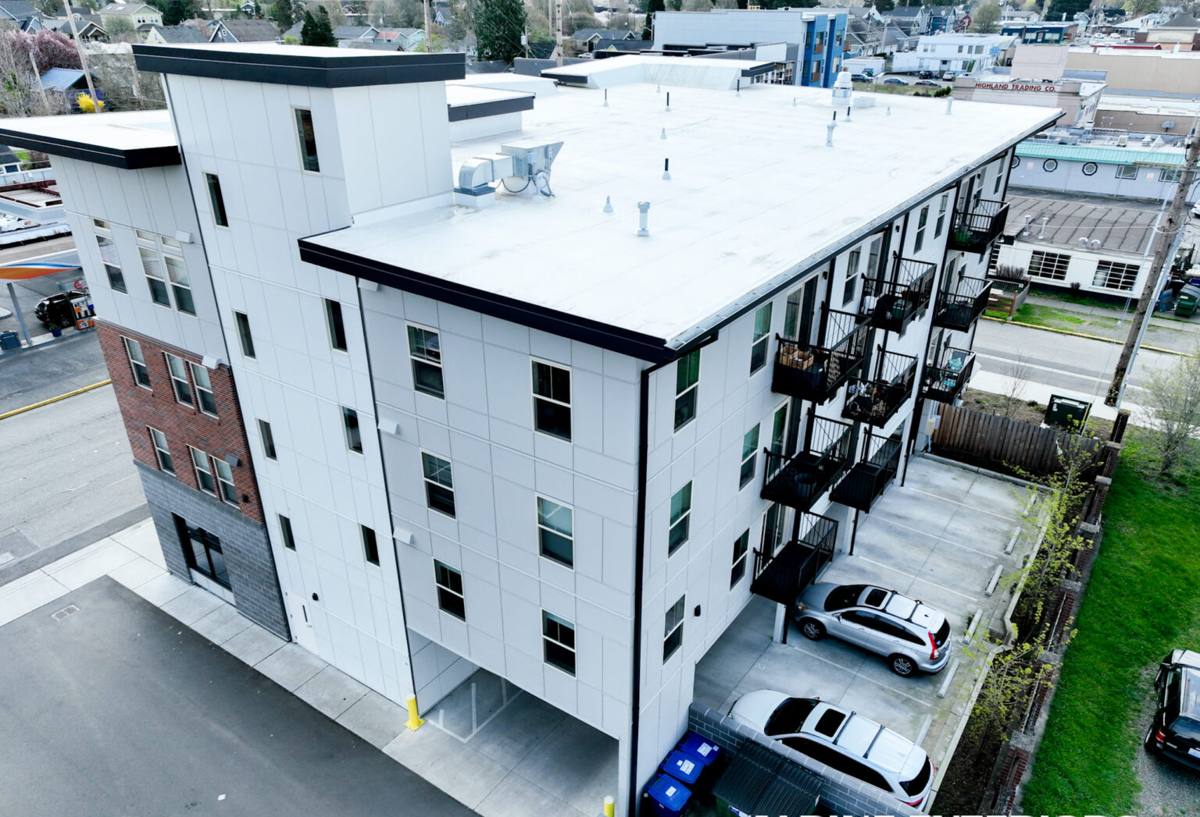
What Gulfport's Climate Does to Windows
Before talking about products or process, it helps to understand what's actually working against a window installation here:
- Salt air corrosion — being close to the bay accelerates corrosion on cheap hardware, screws, and metal components. Locks, cranks, and balance systems wear out faster than they would inland.
- Wind-driven rain — Pinellas County storms don't just bring rain straight down, they push it sideways into the wall. A window that isn't flashed and sealed correctly will leak long before the glass or frame itself gives out.
- UV exposure — near-constant Florida sun degrades cheap vinyl, breaks down inferior sealants, and can fade interior finishes near unprotected glass.
- Hurricane-force wind loads — Gulfport is in a wind-borne debris region under Florida's building code, and window products and installation methods have to be rated and installed to match that.
- Humidity and moisture cycling — constant humidity swings put stress on seals and can drive moisture into a wall assembly if the installation isn't detailed properly.
Any one of these is manageable on its own. Together, over years, they're why we see so many older single-pane and early-generation aluminum windows in Gulfport that are foggy, hard to operate, or leaking around the frame.
Why This Matters More Right on the Water
Homes a mile or two inland in St. Petersburg still deal with heat and humidity, but they don't get the same direct salt exposure or the same unobstructed wind path that waterfront and near-waterfront Gulfport properties do. That's the main reason a "one size fits all" window job isn't the right answer here — hardware grade, sealant choice, and flashing detail all need to account for the harsher exposure.
What a Correct Window Installation Actually Involves
Window installation quality is decided far more by the details around the window than by the window itself. A premium window installed poorly will leak and fail; a mid-range window installed correctly will outperform it for years. Here's what we consider non-negotiable on every job:
1. Opening Assessment
We check the rough opening for level, square, and plumb, and inspect the surrounding wall framing and sheathing for any hidden water damage or rot — common in older Gulfport homes where a window has been leaking slowly for years without anyone realizing it.
2. Removal Without Collateral Damage
Old windows come out carefully, especially on older stucco or wood-sided homes where the surrounding finish is easy to damage. We protect interior finishes and flooring throughout.
3. Flashing and Water Management
This is the step that determines whether a window leaks in five years or fifteen. Proper flashing tape and a correctly lapped weather-resistive barrier direct any water that gets past the window back out of the wall, not into it. Given how much wind-driven rain this area sees, we don't shortcut this step.
4. Air Sealing and Insulation
Gaps around the frame get sealed with the right low-expansion foam or backer rod and sealant — not just caulk smeared over a gap. This affects both moisture control and how hard the home's air conditioning has to work.
5. Fastening to Code
Impact and wind-rated windows only perform to their rating if they're fastened exactly to the manufacturer's specification and Florida Building Code requirements for this wind zone. Skipping or spacing fasteners incorrectly can void both the wind rating and the warranty.
6. Interior and Exterior Finish
Trim, caulking, and paint-ready finish work should look clean from both inside the house and from the curb — Gulfport homeowners care about how their houses look, and a sloppy finish undercuts an otherwise good install.
Choosing the Right Window for a Gulfport Home
There's no single "best" window — the right choice depends on the home's age, exposure, and the homeowner's priorities. Here's how the common options stack up for this specific climate:
| Window Type | Salt Air / Corrosion Resistance | Wind Performance | Maintenance |
|---|---|---|---|
| Impact-rated vinyl | Good — minimal metal hardware exposed | Excellent when properly rated and installed | Low |
| Impact-rated aluminum | Fair — needs quality coatings to resist salt corrosion | Excellent, strong frame-to-glass ratio | Moderate |
| Non-impact single-hung (standard) | Fair to poor over time near the water | Requires separate shutters/protection to meet code | Moderate |
| Wood-frame windows | Poor without diligent upkeep | Depends on added protection system | High |
We generally steer homeowners near the water toward impact-rated vinyl or well-coated aluminum systems, not because other materials are inherently bad, but because the maintenance burden of wood or low-grade aluminum this close to the bay is a real, ongoing cost — repainting, hardware replacement, and sealant renewal add up fast in a salt-air environment.
Impact-Rated vs. Standard Windows with Shutters
Homeowners in Gulfport often ask whether they need impact-rated glass or whether standard windows with removable shutters or panels satisfy code and offer enough protection. Both are legitimate approaches, and the right one depends on the home:
- Impact-rated windows stay in place permanently, require no action before a storm, and provide daily protection against UV and noise as a side benefit — but they cost more upfront.
- Standard windows plus code-compliant shutters can lower upfront window cost, but they require the homeowner to actually deploy the shutters before every storm, and they don't offer the same everyday UV or noise reduction.
We'll walk through both honestly during an estimate rather than push whichever is more profitable for us.
Our Process, Start to Finish
- On-site evaluation — we inspect existing windows, openings, and any signs of water intrusion or structural concern.
- Product selection — we go over frame material, glass package, and wind rating options based on your home's exposure and budget.
- Written estimate — a clear, itemized quote with no vague allowances.
- Scheduling — we plan around Florida's weather patterns to avoid installing mid-storm-system whenever possible.
- Installation — full removal, flashing, insulation, fastening, and finish work as outlined above.
- Final walkthrough — every window operated, checked, and inspected with you before we consider the job done.
Why a Crew That Already Works Gulfport Matters
Gulfport's housing stock is a mix of small waterfront cottages, mid-century block homes, and a fair number of houses with additions or renovations that changed the original rough openings. A crew unfamiliar with this kind of building stock can run into surprises — out-of-square openings, old sheathing that needs attention, siding or stucco patterns that are easy to damage if you don't know how they were installed. Working in this specific area repeatedly means we're not guessing when we hit these situations; we've already handled them nearby.
There's also a permitting and code angle: window replacement in this wind zone typically requires a permit and product approval documentation showing the window meets Florida's wind and impact standards for the location. A contractor unfamiliar with Pinellas County's process can slow a project down or, worse, install something that doesn't actually satisfy the permit.
Signs Your Gulfport Home Needs New Windows
Not every issue means a full replacement, but these are worth having looked at:
- Fogging or condensation between panes on double-pane windows (a sign the seal has failed)
- Windows that are difficult to open, close, or lock
- Visible gaps, drafts, or daylight around the frame
- Soft or discolored wall material around the window (possible water intrusion)
- Noticeably higher cooling costs compared to similar homes nearby
- Rattling or whistling during windy conditions
- Frames that are chalky, pitted, or corroded from salt exposure
What Affects the Cost of a Window Installation
Costs vary widely based on several factors, and we'd rather explain them than throw out a number that doesn't hold up once we're on site:
| Factor | Why It Matters |
|---|---|
| Number and size of openings | More or larger windows means more material and labor |
| Impact rating vs. standard | Impact glass and reinforced frames cost more upfront but reduce ongoing storm-prep needs |
| Frame material | Vinyl, aluminum, and wood carry different material and long-term maintenance costs |
| Condition of existing openings | Rot repair or reframing adds labor beyond the window itself |
| Access and home layout | Second-story or hard-to-reach windows take more time to install safely |
| Permitting requirements | Pinellas County permit and inspection fees apply to most replacement window projects |
We give straightforward written estimates that break these factors out, so you know exactly what you're paying for and why.
If your Gulfport home's windows are due for an honest look, we're happy to come out, evaluate what you actually need, and give you a free, no-pressure estimate — just fill out the form below to get started.